



How Much Cash to Bring to Cuba (2026 Guide)
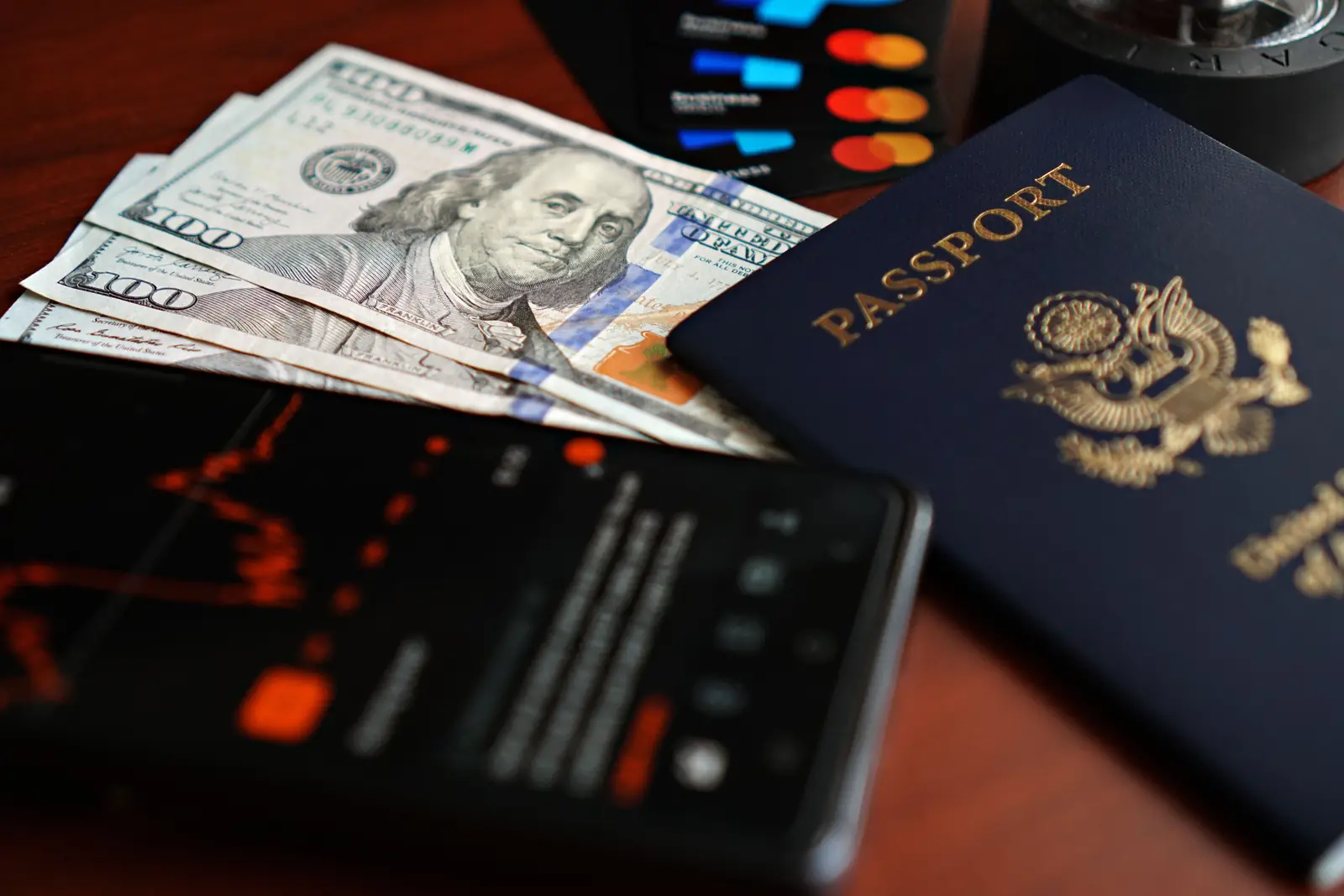
It’s the question that comes up most before flying to the island, and by 2026 it has stopped being a matter of comfort and become one of logistics: as of June 2026, Visa and Mastercard are no longer processed in Cuba. There is no safety net. Whatever you carry through customs is, in practice, all the money you’ll have for the entire trip.
That changes how you prepare for the trip. It’s no longer enough to work out a rough budget and count on withdrawing more from an ATM if you run short: ATMs stopped being an option for Western cards, and running out of cash halfway through your stay has no quick fix.
This guide explains how much cash to bring for seven days depending on the type of trip, in which currency and in which denominations, what limit triggers a customs declaration, where to keep it, and what safety margin to set aside. It’s not a fixed budget, because prices in Cuba change fast: it’s a method for working out your own and not coming up short.

Why cash stopped being optional
Cuba’s Central Bank confirmed in June 2026 the suspension of Visa and Mastercard operations across the country, after the foreign bank that processed those transactions ended its relationship with the Cuban financial institution that managed them. The only international networks still authorized are UnionPay and Mir, which almost no European or Latin American traveler carries in their wallet.
The practical consequence is direct: hotels, restaurants, museums, taxis and casas particulares (privately run homestays) run on cash. Before deciding how much to bring, it helps to have the other half of the question straight, which we cover separately: what currency to bring to Cuba.
The customs threshold: 5,000 dollars
Cuban regulations don’t limit how much cash you can bring in, but they do require a declaration from 5,000 US dollars upward, or its equivalent in another freely convertible currency. Below that figure, there’s nothing to declare.
The declaration is made on the D’Viajeros digital form, which you have to fill out before flying regardless. It has a use that many people overlook: whatever you declare on entry is what you’re later allowed to take back out. Without that receipt, the amount you can leave with is capped at 5,000 dollars.
For a seven-day trip, none of these figures will affect you. What matters is that the paperwork gets done, and done correctly.
How to work out your figure in five categories
Rather than starting from one lump sum, it’s better to add things up by category. The two big items are booked before you travel; the three small ones are what you pay in cash on the ground.
1. Accommodation
If you book from abroad through an agency, accommodation gets paid outside Cuba and doesn’t count toward the cash you bring. If you pay on arrival, it counts in full, and it’s the biggest item of the trip. Our recommendation is to have it settled beforehand: casas particulares in Old Havana.
2. Transportation between cities
The same applies to rental cars or private transfers: booked from outside Cuba, they don’t eat into your cash; booked there, they do. If you’re planning to travel around the island, read up first on how the deposit and fuel payment work today in renting a car in Cuba from abroad.
3. Meals
It’s the most predictable daily expense, and the one that varies most depending on your style of travel. Breakfast at the casa particular, lunch at neighborhood cafés and dinner at a paladar doesn’t cost the same as eating all three meals at tourist-zone restaurants. Work out a daily figure and multiply by seven.
4. Short trips and admission fees
Taxis around town, museums, tips, the occasional excursion. It’s small change, but it’s constant. For longer trips within the city, it’s worth agreeing on the price before you get in, as we explain in the guide to taxis in Cuba.
5. Contingency cushion
This is what makes the difference between a relaxed trip and an uncomfortable one. Set aside between 20 % and 30 % on top of your calculated total, and don’t touch it unless you have to. With no working cards, that cushion is your only backup.
Which currency to bring, and in which denominations
The euro and the US dollar are the two currencies that exchange without any trouble. The difference between them is explained in detail in the currency guide, but there are three format rules that apply to both:
- Small and medium bills. A stack of 50s and 20s is far more usable than four 500s. Making change for large bills is a real problem.
- Bills in good condition. Torn, heavily worn or marked notes are often refused.
- No checks and no unnamed prepaid cards. They’re useless here.
The exchange rate gap: where money gets lost
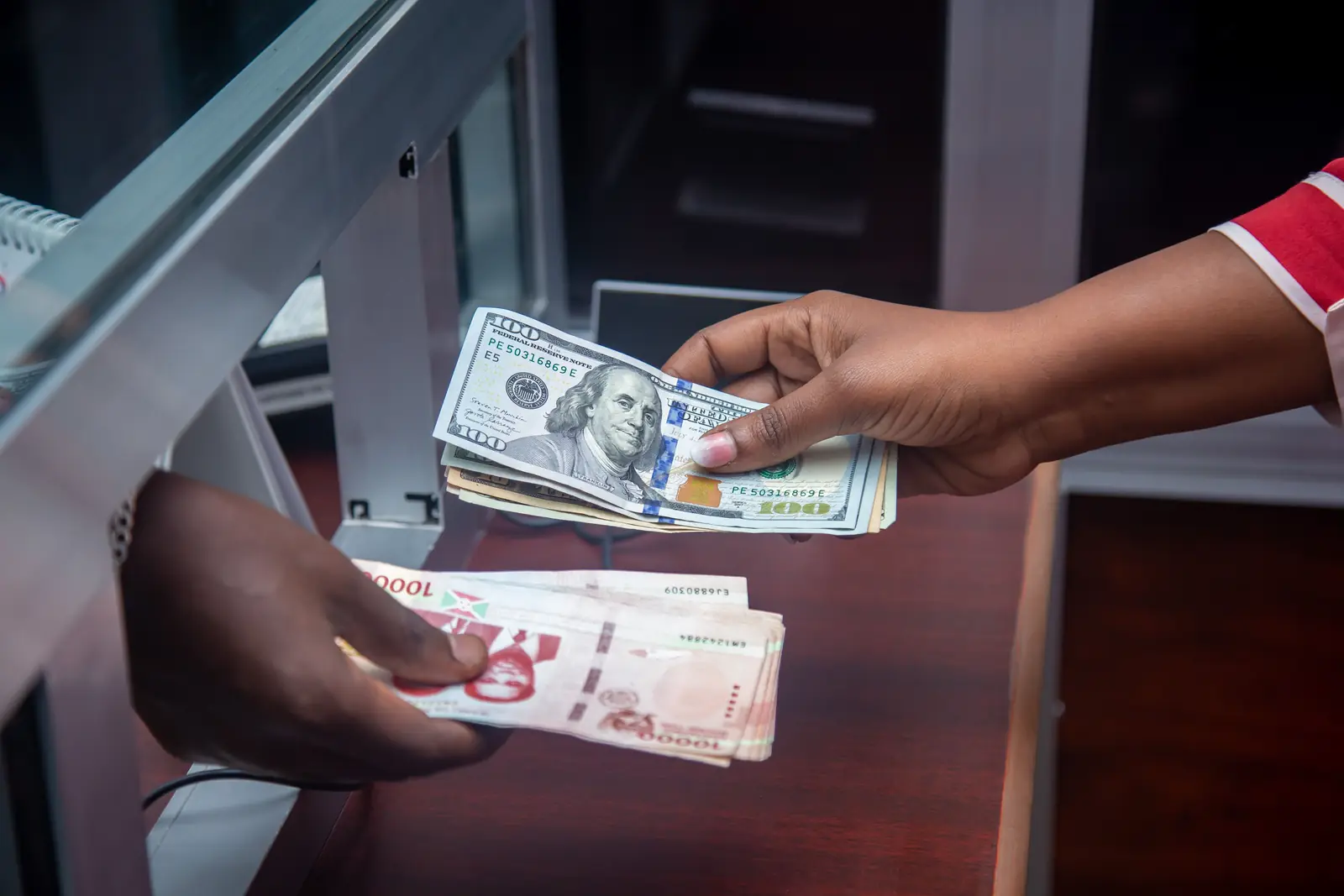
Cuba runs on two exchange rates at once. The official one, set by the Central Bank, and the informal market one, which is what really determines the peso’s purchasing power. As of September 19, 2026, the dollar was trading at around 709 CUP on the informal market against 669 CUP officially, and the euro at around 805 CUP against 767 CUP.
That gap shifts week to week, and it has climbed sharply through 2026, so no figure you read ahead of time is a reliable reference on the day of your trip. Check it right before you leave, and again once you arrive.
Two practical consequences for your calculation:
- Many tourism-oriented services are charged directly in foreign currency, and there the exchange rate doesn’t affect you.
- For small day-to-day spending, it’s worth having CUP, but exchange it in batches, not all at once: the peso loses value fast, and leftover pesos at the end of the trip are money lost.
Where to keep your money during the trip
Carrying a full week’s worth of money forces you to get organized. What works:
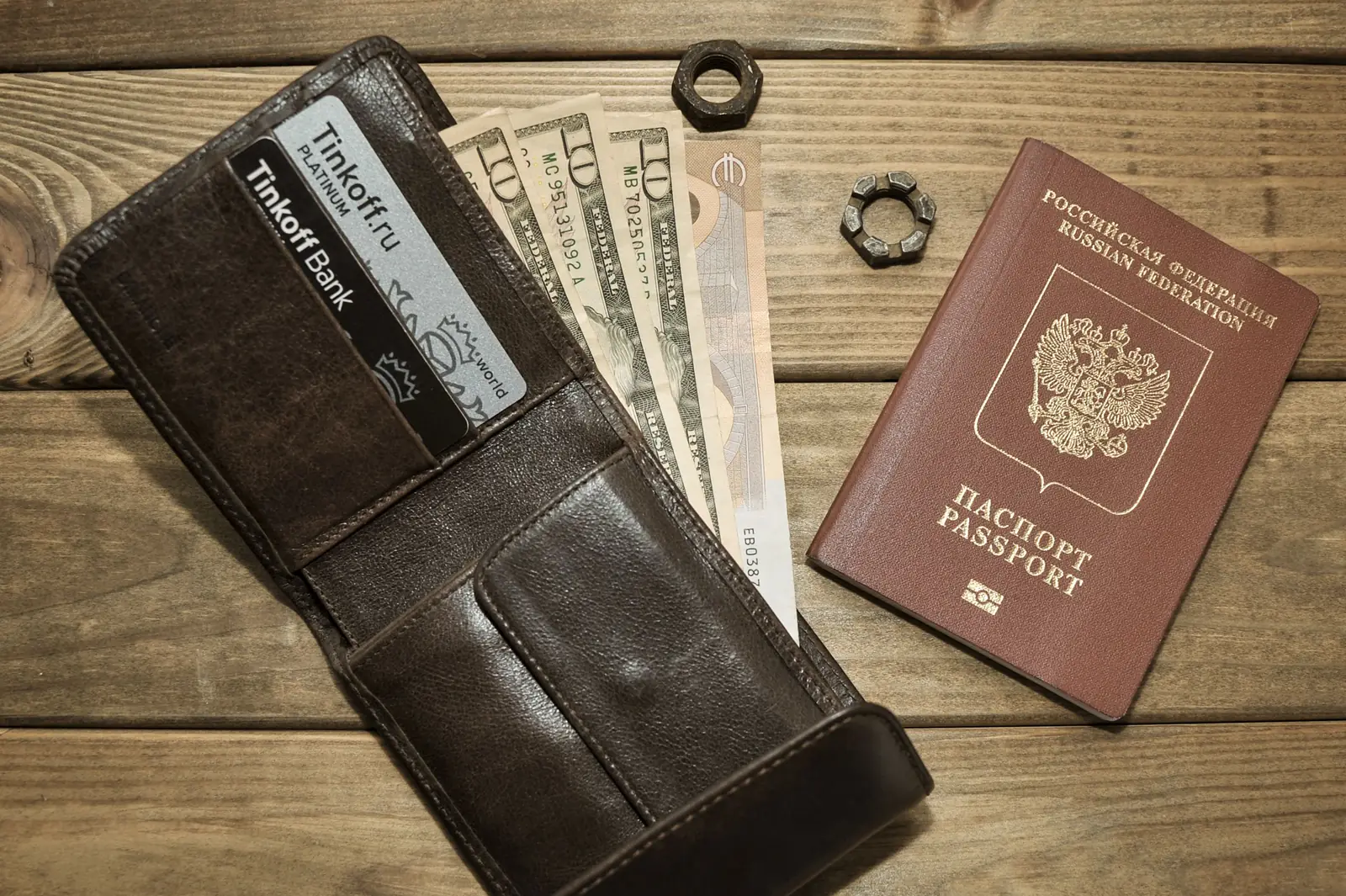
- Split it into three blocks: the day’s spending money in your wallet, the week’s reserve at the casa, and the cushion in a third, separate place.
- Use the casa particular’s safe if it has one, and ask your host if you don’t see it.
- Don’t change money on the street with strangers who offer to. That’s where almost every problem happens.
- Keep the receipt from your customs declaration, if you made one, with your passport, not with the cash.
Mistakes that leave people without cash halfway through the trip
- Budgeting with 2023 or 2024 figures. Prices and the informal exchange rate have climbed sharply, and what worked back then falls short now.
- Counting on the ATM as a backup plan. It no longer is one, not for Visa or Mastercard.
- Carrying everything in bills of 100 or more. It makes every small payment harder.
- Not setting aside the cushion. A change of plans, an excursion that comes up, or a health issue eats up the margin.
- Changing everything to CUP on day one. You lose out as the rate moves, and end up with leftovers at the end.
- Forgetting cash for the return. The transfer to the airport and whatever you spend there count too. It’s worth setting that aside from day one, as we note in the guide to Terminal 3 at Havana airport.
Frequently asked questions
How much cash do you need to bring to Cuba for 7 days?
It depends on how much you’ve already paid for from abroad. If accommodation and transportation between cities are booked before you fly, the cash covers meals, short trips, admission fees and tips, plus a 20 % to 30 % cushion. If they aren’t booked, you need to add them in full.
Do you have to declare money when entering Cuba?
Only from 5,000 US dollars upward, or its equivalent in another convertible currency. The declaration is made on the D’Viajeros form, and it also serves as proof that lets you take that same amount back out when you leave.
Does any card work in Cuba in 2026?
Visa and Mastercard haven’t been processed since June 2026, regardless of the issuing bank. UnionPay and Mir remain authorized, along with cards issued by Cuban banks. For a European or Latin American traveler, cash is the realistic option.
Is it better to bring euros or dollars to Cuba?
Both exchange without trouble, and their relative value shifts over time. We cover this in detail in our guide on what currency to bring to Cuba, which we update whenever conditions change.
Can I pay directly in euros or dollars in Cuba?
In many tourism-oriented services, yes. For small day-to-day spending, it’s worth having Cuban pesos, exchanged in batches rather than all at once.
What happens if I run out of cash in Cuba?
The options are scarce and slow: remittances through authorized operators, or help from your home country through channels that take time. That’s why the 20 % to 30 % cushion isn’t textbook advice, it’s the difference between solving the problem and not solving it.
How many Cuban pesos should you exchange at once?
Just enough for two or three days. The peso depreciates fast, and leftover pesos at the end of the trip don’t convert back well.
In summary
The right figure doesn’t come from a table: it comes from adding up what you haven’t already paid for from home, multiplying your daily spending by the length of your stay, and adding a 20 % to 30 % cushion. With international cards out of the picture since June 2026, running short on cash in Cuba can no longer be fixed on the fly, and that’s the one mistake worth avoiding at all costs.
The simplest way to cut down on the cash you need to carry is to pay for the big items before you fly. At EnCuba.net we book accommodation in Havana and transfers from abroad, with confirmation locked in before your trip. Tell us your dates and we’ll tell you what you can have settled from home.
