



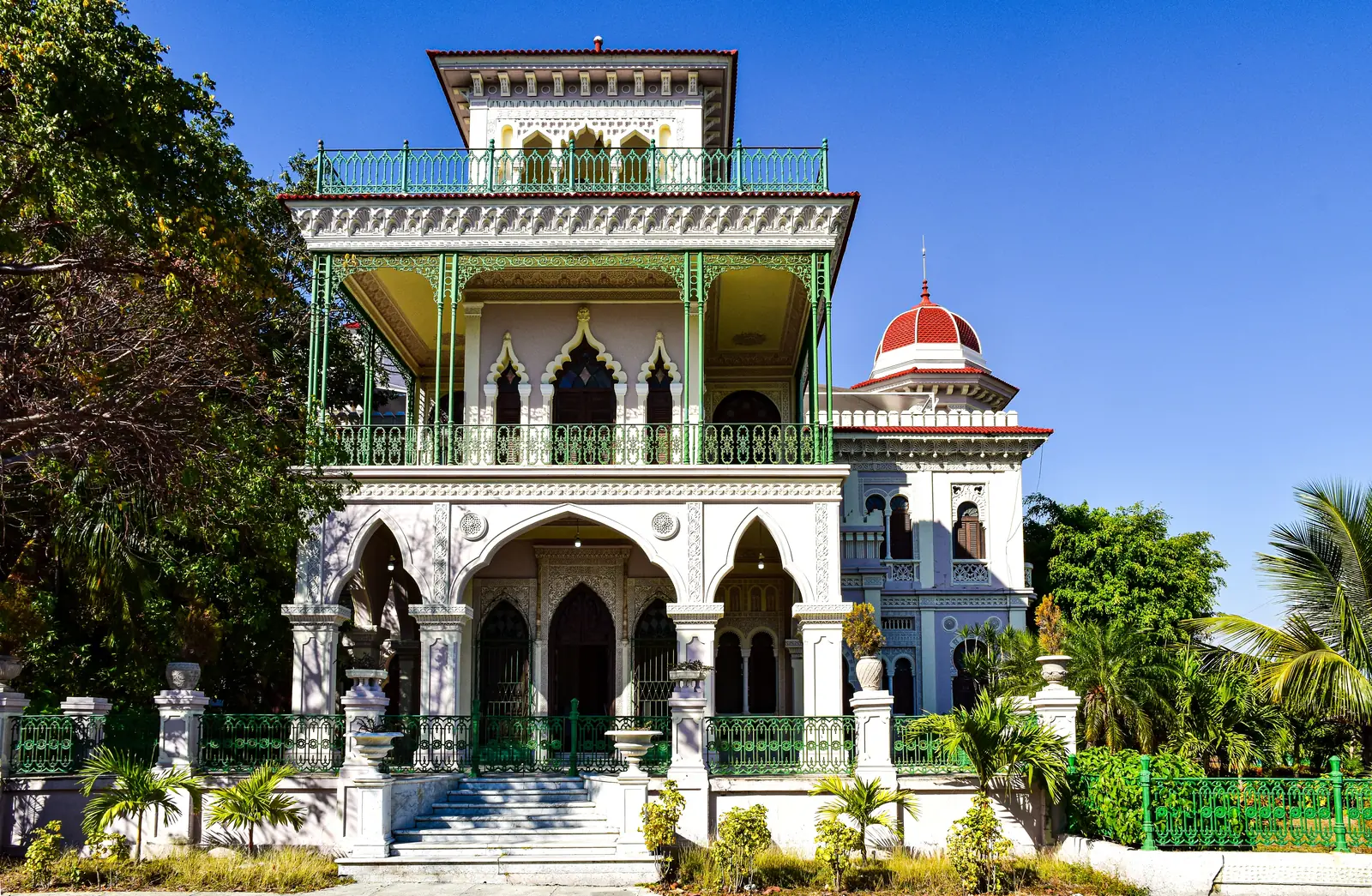
Are Casas Particulares in Cuba Safe? Full Guide
Sleeping in a Cuban family’s home, with the front door key in your pocket and breakfast served on the terrace, is the style of travel that best defines Cuba. It is also the one that raises the most doubts for first time visitors: who is responsible if something happens? Is it regulated? Is it riskier than a hotel?
The short answer is that casas particulares (privately owned homes licensed to host travelers) are a legal, licensed form of accommodation registered with the State, and in 2026 that registration is even stricter than before. The long answer has nuances, because the difference between a smooth stay and a problem is not the type of accommodation, but whether the house is properly licensed and how it was booked.
This guide explains what controls exist over a casa particular, which risks are real and which are a myth, how to verify a house before paying anything, and what to do if something goes wrong during your stay.
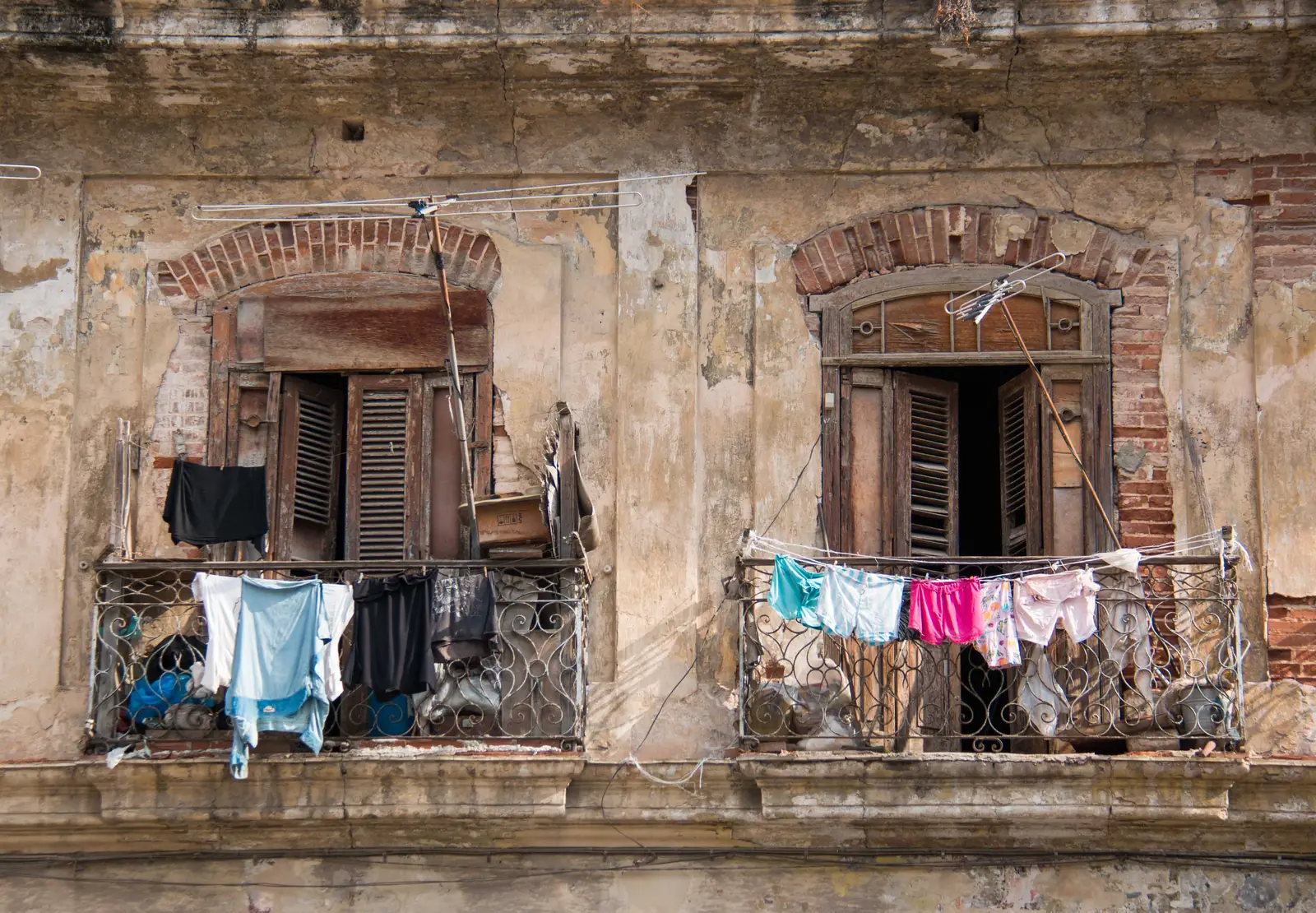
What exactly is a casa particular
A casa particular is a privately owned home whose owner is licensed to rent it out to travelers, either as a whole property or by the room. It is not an informal arrangement or a tolerated underground economy: it is an authorized activity, with a license, guest registration and tax obligations.
The model ranges from a room with its own bathroom in an apartment in Vedado to an entire colonial house for a family. What they all share is that there is an identifiable, reachable person responsible behind them, which is exactly the opposite of what people fear.
The legal framework: why a properly licensed house is traceable
The safety of this type of accommodation does not depend on the host’s good will. It rests on three specific controls.
The rental license
To rent to foreigners, the owner needs a license issued by the housing authority. That license ties a specific address to a specific person, and it is what makes the house exist for administrative purposes.
The guest registration book
Every authorized house keeps a registration book where each stay is logged: full name, passport or ID number, country of residence, arrival and departure dates, date of birth and signature. It is mandatory for both short stays and those of more than 30 days.
Reporting to the authorities
The authorized host must report their foreign guests’ details to the identification and immigration authority: name, passport number, length of stay, arrival and departure dates and the details of anyone traveling with them.
And in 2026 that control was strengthened. Decreto 160/2026, published in the Official Gazette on July 28, 2026 and in effect since August 4, 2026, requires owners of homes, rooms and rental spaces to report to the Ministry of the Interior the identification details of guests who live abroad and of anyone traveling with them. It applies both to foreigners and to Cubans living outside the island.
At the time of writing this guide, the decree itself does not spell out the procedure or the deadlines, which are to be defined in later complementary regulations. For the traveler, the practical effect is the same: your stay gets recorded. What looks like bureaucracy at first glance is, from a safety standpoint, exactly what you want.
What all this means for your safety
This framework leads to three direct consequences:
- There is a named person responsible. The house is tied to a license holder, not an anonymous profile on an app.
- Your time at the house is on record. If an incident occurs, there is a record of where you were and since when.
- The host has their license on the line. It is their livelihood, and that aligns their interests with yours far better than any review.
That last point explains something that surprises first-time travelers: how involved the host gets. They will recommend where to eat, warn you which taxi not to take and stay up waiting for you if you arrive in the middle of the night.
The real risks, and they are not what you imagine
The problems that actually come up again and again have little to do with crime and a lot to do with the booking.
Being redirected to another house
It is the classic scam. Someone offers to take you to “a better house,” or the taxi driver suggests a different address, or the house you booked turns out to be “full” when you arrive and you are redirected to a friend’s place instead. There is almost always a commission behind it. The final accommodation may turn out fine or it may not, but you have lost the house you chose and the terms you agreed on.
Unlicensed houses
They exist, they are advertised and they tend to be cheaper. The problem is not only legal: without a license there is no registration book and no reporting, and if a conflict comes up there is no one to hold accountable. That is where the entire safety net disappears.
Blackouts, water and weather
The most likely risk on your trip is not theft: it is losing power and air conditioning on an August night. Blackouts are common across the island, and the water supply depends on tanks and pumps that need electricity to run. It is not a safety issue, it is a comfort issue, but it is worth asking about beforehand: if the house has a backup generator, its own water tank and fans, you will notice the difference.
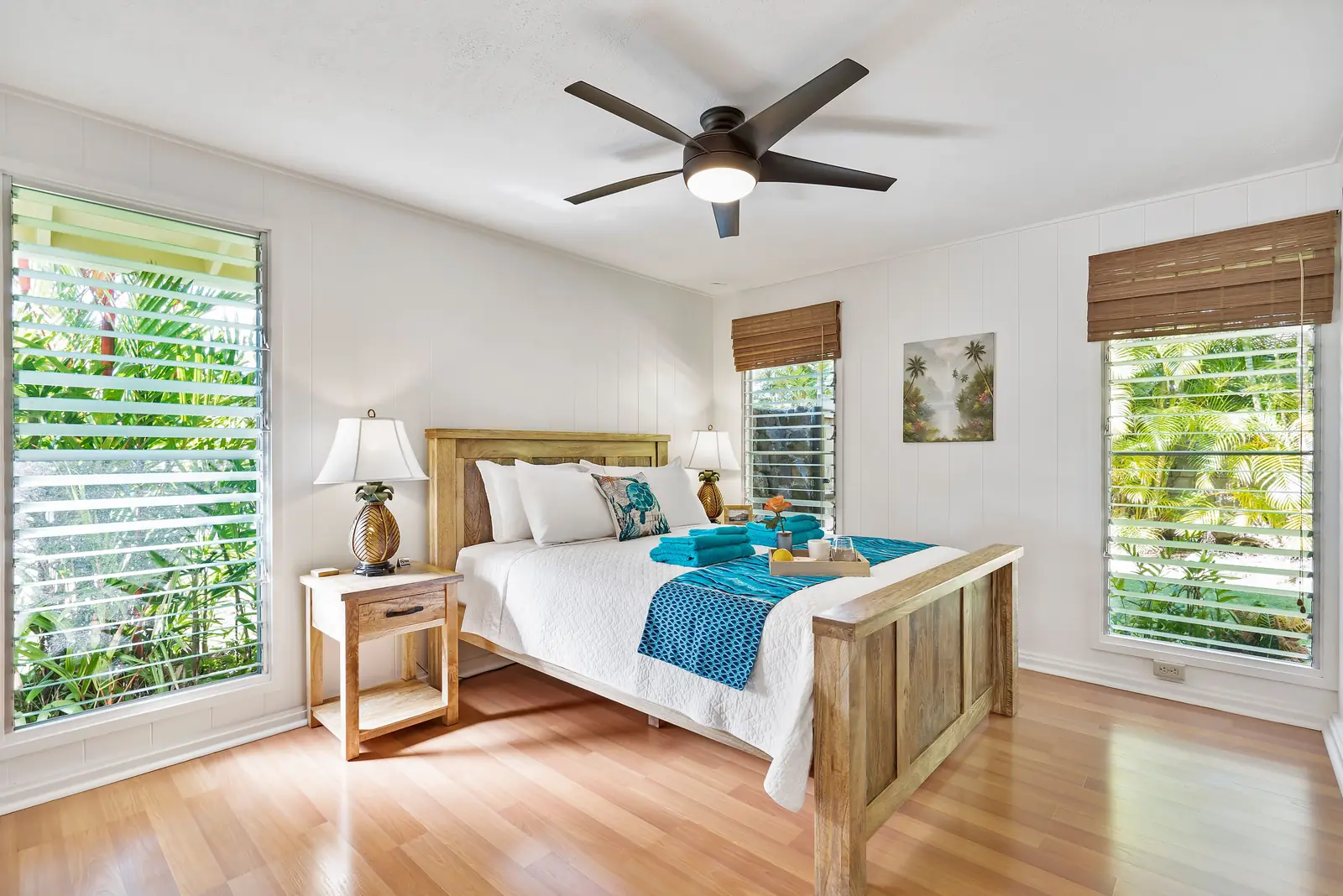
How to verify a house before booking
These checks will help you avoid most headaches:
- Confirm that it is licensed to rent to foreigners and that the address on the booking matches the one on the license.
- Ask for the exact address and a phone number before you travel, not just the neighborhood.
- Get written confirmation with the dates, number of guests, rooms, price and what breakfast includes.
- Ask about the backup generator, hot water, air conditioning and Wi-Fi, in that order of practical importance.
- Book through an accountable intermediary who can sort out a change from your own country if the house falls through.
- Be wary of a price well below market rate: it almost always means an unlicensed house or conditions different from what was advertised.
If you are searching in Havana, our catalog of casas particulares in Old Havana starts from verified houses, with a confirmed address and the agreement finalized before you travel.
Casa particular or hotel: which is safer
In terms of personal safety, the difference is smaller than you might assume. The hotel offers a 24-hour front desk, a safe and a formal protocol. The casa particular offers a door you are not sharing with two hundred strangers, a host who knows who comes and goes, and an immediate response to any problem.
Where the casa particular clearly wins is in service continuity during blackouts and in personal attention. Where it can fall short is if you were expecting chain-hotel standards and did not ask what the house included.
Money during your stay
Since June 2026, Visa and Mastercard cards have not been processed in Cuba, so any accommodation paid for on the ground is paid in cash. Paying it in advance from abroad reduces the cash you need to carry and avoids any price discussion on arrival. We cover this in detail in how much cash to bring to Cuba.
Inside the house, use the safe if there is one, and if not, ask the host where to keep your passport and cash. It is a normal conversation, not a sign of distrust.
What to do if something goes wrong
- Talk to the host first. Most problems, from the air conditioning to noise, get solved in five minutes.
- Contact whoever handled your booking if the house does not match what you booked. That is exactly what booking through an accountable intermediary is for.
- Do not accept a transfer to another house without confirming it first with whoever made the booking.
- Keep your written confirmation and photograph the room when you arrive.
And if you arrive at night, arrange the airport transfer in advance instead of improvising it: it is the moment when most diversions happen. Our guide to Terminal 3 at Havana airport explains how arrival works, and our guide to taxis in Cuba explains how to agree on the fare.
Frequently asked questions
Are casas particulares legal in Cuba?
Yes. It is an authorized activity: the owner needs a rental license to rent to foreigners, keeps a guest registration book and reports the details to the immigration authorities.
Is it safe to sleep in a casa particular in Cuba?
Yes, if the house is properly licensed. The host is an identifiable license holder, your stay gets recorded and the owner has their livelihood on the line. The most common risk is not safety, but blackouts.
What is Decreto 160/2026 and how does it affect me?
It is a regulation published on July 28, 2026 and in effect since August 4, 2026 that requires landlords to report to the Ministry of the Interior the identification details of guests who live abroad and of anyone traveling with them. For the traveler, it means your stay is officially on record.
Do I have to hand over my passport to the host?
The host needs your passport details for the registration book and the mandatory report. Only the details are recorded, you do not need to leave the document in their custody.
How do I know if a casa particular is licensed?
Ask directly before booking and confirm that the booking address matches the one on the license. Booking through an intermediary that works only with verified houses saves you that check.
What happens if I am taken to another house on arrival?
Do not accept it without confirming with whoever handled your booking. Being redirected to another house, almost always for a commission, is the most common problem and the easiest one to avoid.
Are there casas particulares with a backup generator?
Yes, increasingly so, and they make a real difference during blackouts. It is worth asking about explicitly before booking, along with the water tank and air conditioning.
In summary
Casas particulares in Cuba are safe when they are properly licensed, and the 2026 legal framework leaves them more documented than ever. The traveler’s risk is not in the type of accommodation: it is in booking blindly, accepting last-minute diversions or choosing an unlicensed house based on price.
At EnCuba.net we work with verified houses, with address and terms confirmed in writing before you fly, and with someone you can call if something does not go as planned. Check out our accommodation in Havana and tell us your dates.
