



What to do in Havana in 3 days: 2026 itinerary
Three days go a long way in Havana if you organise them by neighbourhood. The city is large, transport is not always immediate, and each area has its own rhythm: Old Havana is covered on foot, Vedado calls for a slower pace and a couple of car rides, and the west, with Miramar and Jaimanitas, needs half a day of its own.
This itinerary is designed for anyone staying in a casa particular (a private home-stay, Cuba’s version of a bed and breakfast), with breakfast at home, early starts and a return by mid-afternoon to rest from the heat. Each day groups together places that are close to one another, so you don’t lose hours getting around.
It also covers what has changed in 2026 and affects any plan in the city: the blackouts, cash-only payments and the opening hours worth confirming on the day. A classic itinerary written two years ago would cost you time at more than one stop today.
Before you start: what’s changing in 2026
Three things shape any route through Havana today, and it’s worth sorting them out before leaving the house on the first day.
Cash for the whole trip
Since June 2026, Visa and Mastercard cards have not worked in Cuba, whatever the issuing bank. Admission fees, meals, taxis and tips are all paid in cash. Work out how much you need with our guide on how much cash to bring to Cuba.
Blackouts and opening hours
The power grid suffers frequent cuts, and in September 2026 there was another islandwide blackout. In practice, a museum may close earlier than scheduled and a restaurant may have no working kitchen. Confirm the opening hours of each visit on the day, especially evening ones.
Getting between neighbourhoods
Old Havana is done on foot. To reach Vedado, Miramar or the beach you’ll need a taxi. Fuel shortages have cut the supply on the street, so it’s more convenient to have a taxi in Havana booked in advance than to look for one after each visit.
Day 1: Old Havana on foot
The first day is devoted to the historic centre, a World Heritage Site that holds almost everything travellers associate with Havana. Everything is just a few minutes’ walk away.
Morning: the four squares
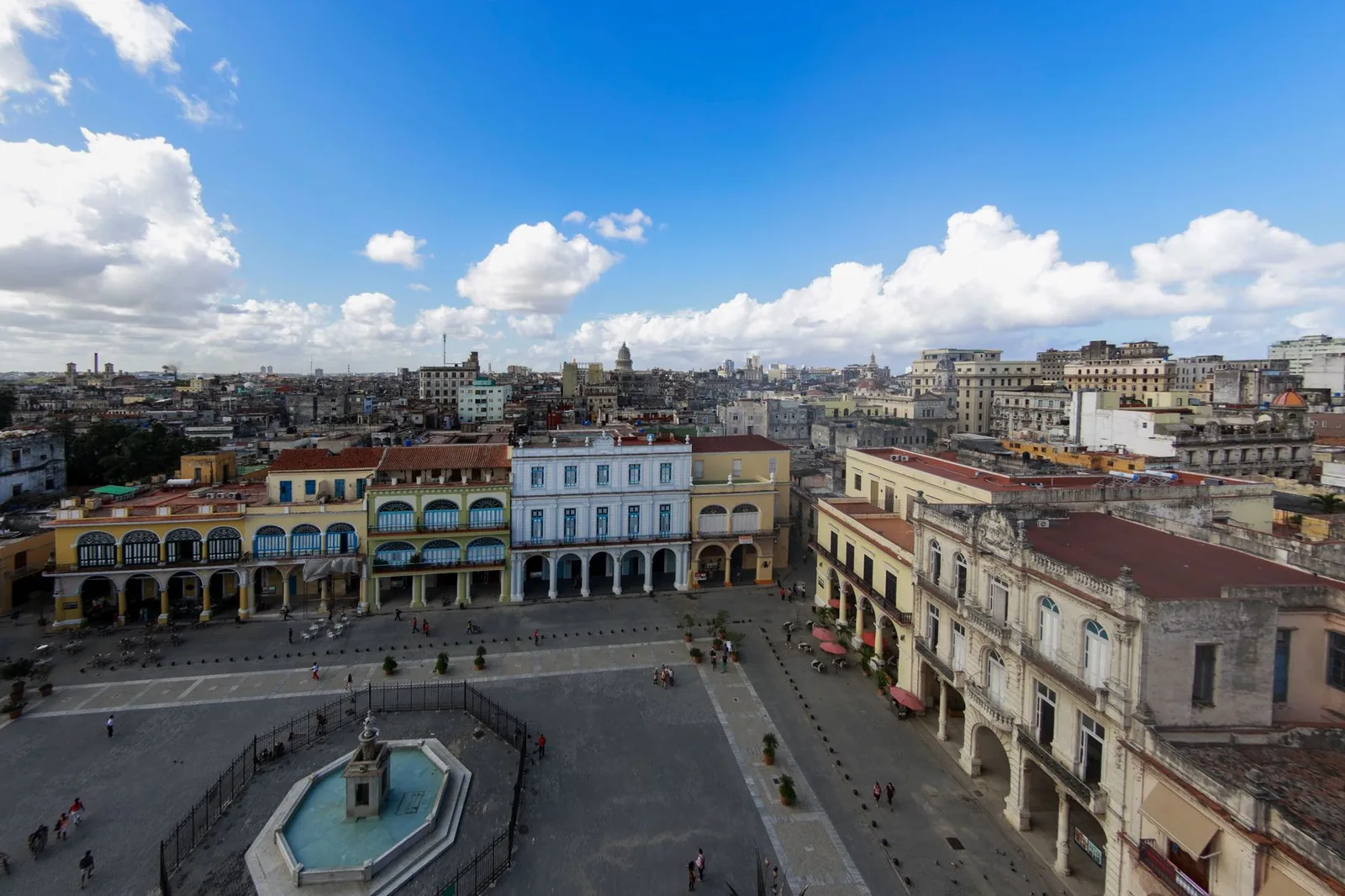
Start early at Plaza de la Catedral, before the heat and the tour groups arrive. From there, a short walk leads to Plaza de Armas, the oldest square in the city, to Plaza de San Francisco de Asís, facing the harbour, and to Plaza Vieja, the most photogenic of the four.
Between squares, Obispo and Mercaderes streets are lined with bookshops, galleries and colonial houses open to the public. It’s the best time of day to walk without hurrying.
Afternoon: the Capitolio and the Paseo del Prado
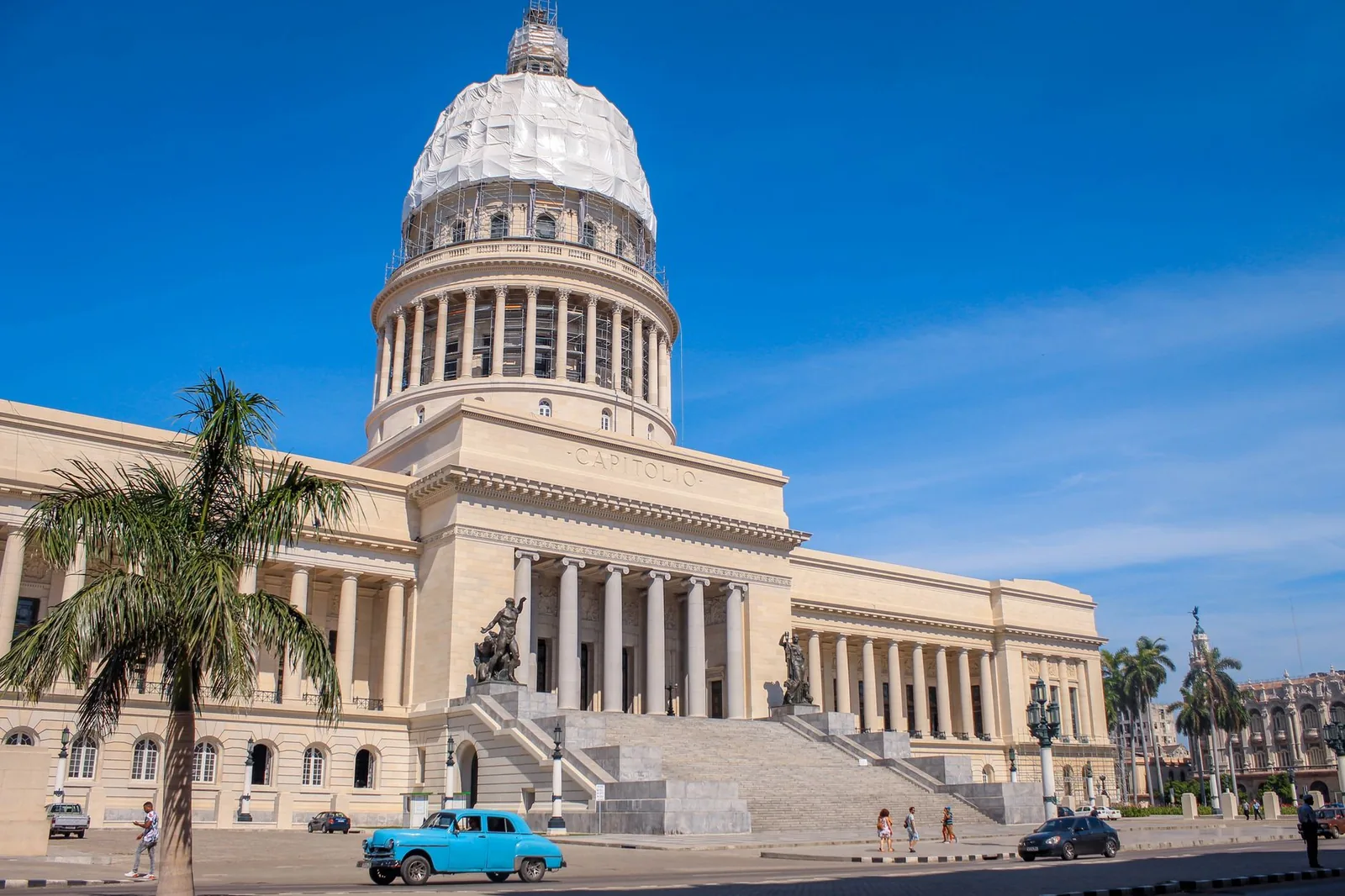
After lunch, head over to the Capitolio. The interior can only be visited with a guide, and published hours don’t agree from one source to another, so confirm it when you arrive. From there, walk down the Paseo del Prado, with its marble benches and bronze lions, down to the sea.
Evening: sunset on the Malecón
The Prado ends at the Malecón, the five-mile seafront promenade where Habaneros gather at sunset. It’s free, has no opening hours, and is the best way to close out the first day.
Day 2: Centro Habana and Vedado
The second day leaves the historic centre for the twentieth-century city: wide avenues, modern buildings and the capital’s cultural life.
Morning: Cuban art and the Museo de la Revolución
The Museo Nacional de Bellas Artes has two buildings: the Cuban art one is the must-see. It opens Tuesday to Sunday and closes on Mondays, a detail worth bearing in mind when planning your days. Next door is the Museo de la Revolución, under renovation and only partly open in 2026.
Afternoon: the Hotel Nacional and Plaza de la Revolución
Take a taxi to the Hotel Nacional, which remains open, and have a drink in its gardens facing the sea. After that, the Plaza de la Revolución, with the faces of Che Guevara and Camilo Cienfuegos on the ministry facades. If you have time left, the Cementerio de Colón opens every day until five in the afternoon and is one of the most monumental cemeteries in the Americas.
Evening: the Fábrica de Arte Cubano
The Fábrica de Arte Cubano, housed in a former oil factory in Vedado, mixes an art gallery, live music and a bar. It only opens on certain nights of the week, and sources disagree on which ones, so check its social media before going.
If your trip includes a Sunday, swap the afternoon for the Callejón de Hamel, in Centro Habana, where there’s rumba from midday onward. Admission is free, and a tip is appreciated.
Day 3: Miramar, Fusterlandia and El Morro
The last day combines the west side of the city in the morning with the other side of the bay at nightfall. There’s a beach alternative for anyone who prefers it.
Morning: Miramar and Fusterlandia
Drive over to Miramar, the neighbourhood of mansions and embassies along Fifth Avenue. Continue on to Fusterlandia, in Jaimanitas: the artist José Fuster covered his house and those of his neighbours in ceramic tile. It’s open every day and admission is free. Bring cash if you’d like to buy a piece.
Afternoon: rest or Playas del Este
After two intense days, a restful afternoon back at the house feels good. If you’d rather be by the sea, Playas del Este is about 18 kilometres away, half an hour by car. There are also casas particulares in Playas del Este for anyone who wants to extend the trip by the beach.
Evening: the nine o’clock cannon-firing ceremony
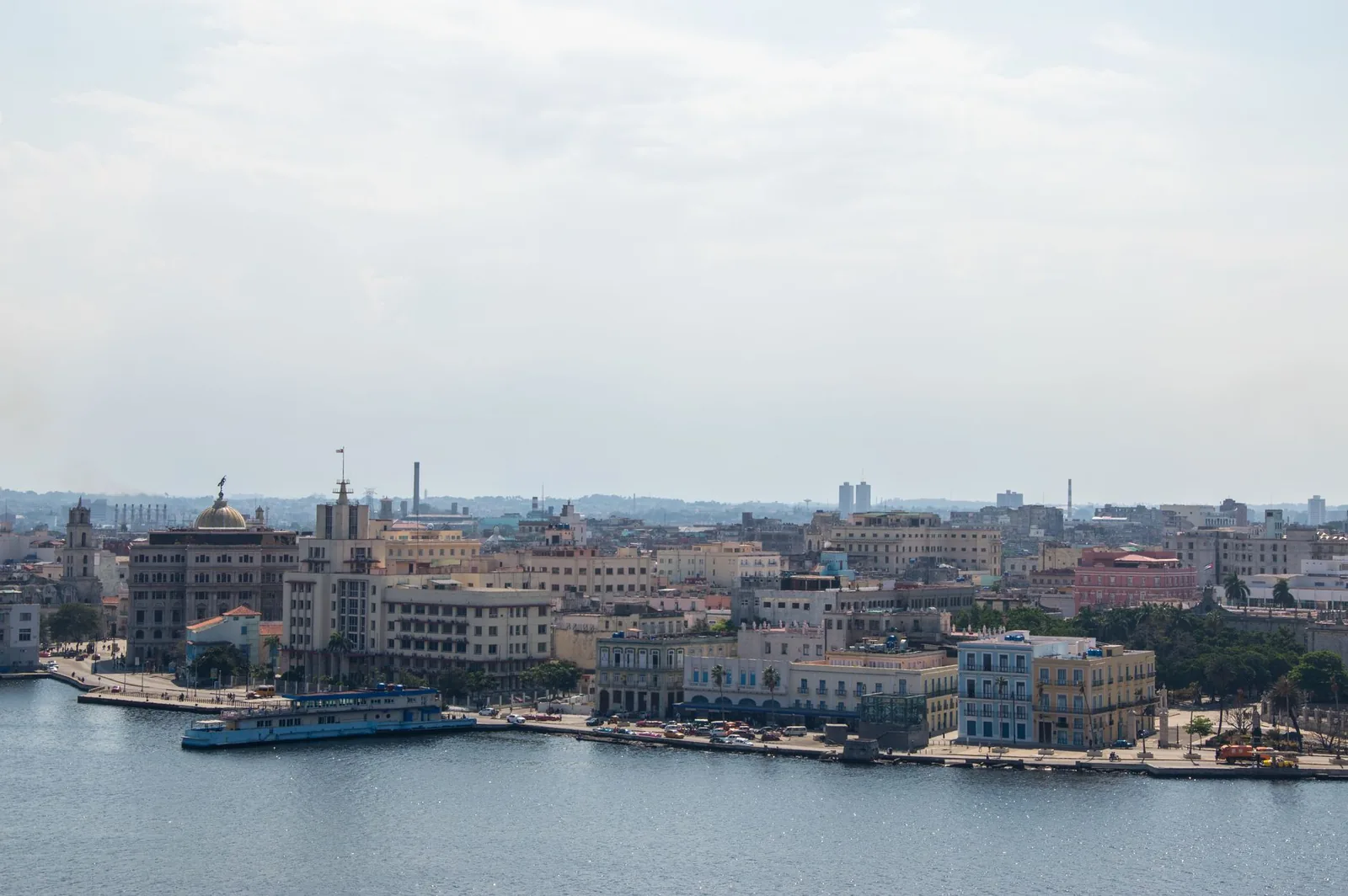
Close out the trip at the fortaleza de San Carlos de La Cabaña, across from Old Havana. Every night at nine, soldiers in period uniform fire a cannon, just as they did in colonial times. Arrive early to see the whole ceremony and the city lit up from the other side.
Where to stay for this itinerary
For a three-day trip, location saves more time than any shortcut. Two areas work well:
- Old Havana: the entire first day is done on foot from your own front door. See our casas particulares in Old Havana.
- Vedado: quieter and well placed for the second and third days. Check out the casas particulares in Vedado.
Always ask before booking whether the house has a generator or backup power for blackouts, and a water tank. At EnCuba.net we help you choose among the accommodation options in Havana that suit your route.
Mistakes that cost you a day
- Leaving the Museo de Bellas Artes for a Monday, the only day it closes.
- Setting out without enough cash, counting on paying by card.
- Looking for a taxi on the street at the last minute, when the supply is scarcest.
- Not confirming evening opening hours on the day, with blackouts in the mix.
- Trying to see everything in one day: the heat forces a midday stop.
Frequently asked questions
Are 3 days enough to see Havana?
They’re enough for the essentials: Old Havana, Vedado and a look at the west side. With one or two more days you can add Playas del Este or a trip to Viñales.
Which day does the Museo Nacional de Bellas Artes close?
Mondays. From Tuesday to Saturday it opens in the morning and afternoon, and on Sunday only in the morning.
Can you pay by card in Havana?
Not with Visa or Mastercard, suspended throughout Cuba since June 2026. Bring cash for the whole trip.
How do the blackouts affect visits?
They can bring closing times forward and cancel evening activities. Confirm every opening time on the day, and bring a flashlight and a phone battery pack.
How long does it take from Old Havana to Playas del Este?
About half an hour by car, around 18 kilometres. It’s the closest beach getaway to the city.
What time is the cannon-firing ceremony at La Cabaña?
At nine in the evening, every day. It’s worth arriving early to see the whole ceremony.
In summary
Knowing what to do in Havana in 3 days is mostly about knowing how to group it: one day on foot through Old Havana, another through Centro Habana and Vedado, and a third between Miramar, Fusterlandia and the fortress of La Cabaña. With cash on hand, confirmed opening hours and transport sorted out, the three days go by without any rushing.
If you don’t have anywhere to stay yet, at EnCuba.net we work with verified casas particulares in Old Havana and Vedado, and we arrange the transfer from the airport so the first day starts without a hitch.
