



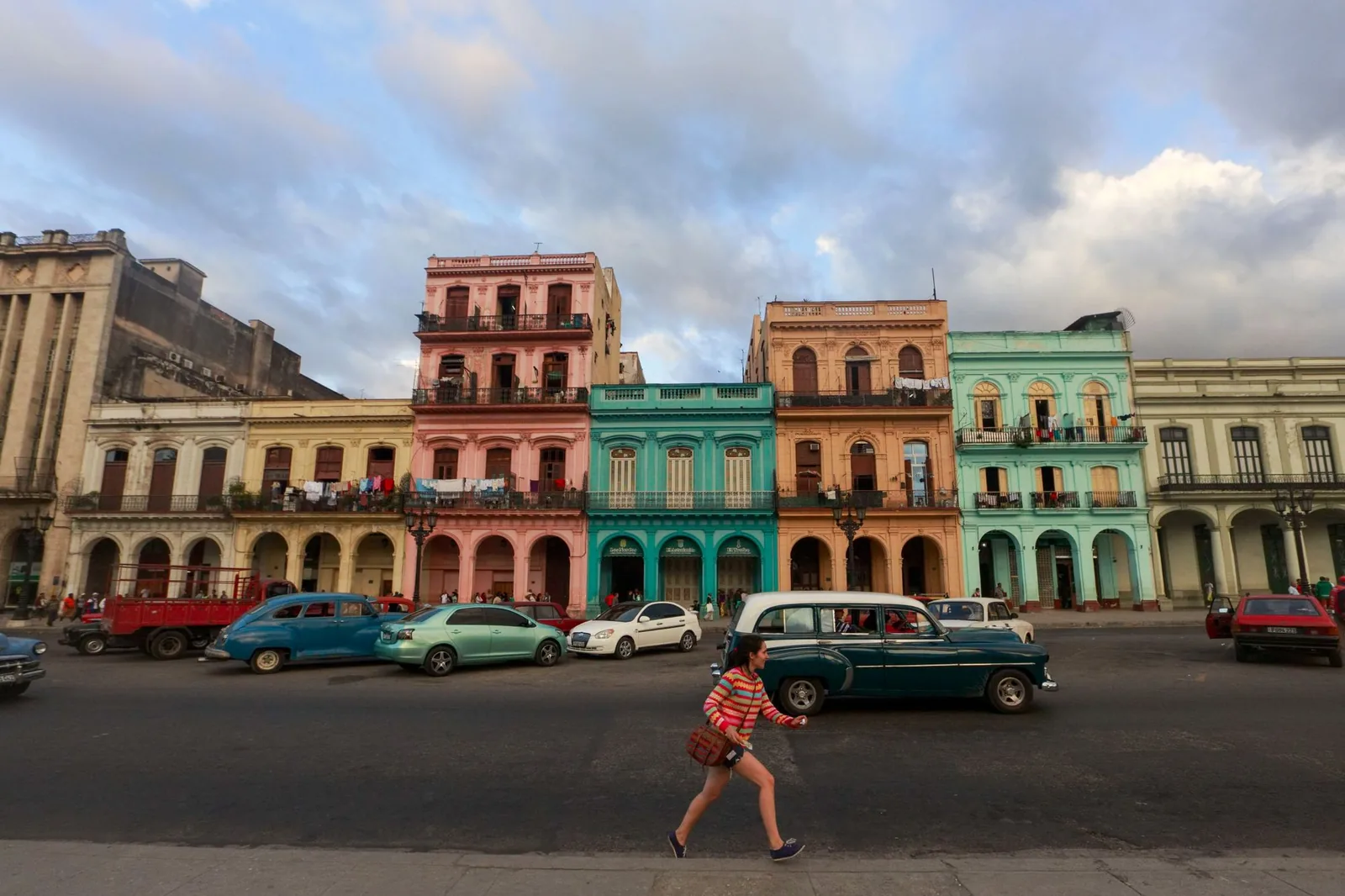
Solo Female Travel in Cuba: Safety Tips for Women
More and more women ask whether they can travel alone to Cuba and what precautions to take. The honest answer has two parts. On one hand, official advisories mostly describe petty theft, robberies and harassment on the street. On the other, 2026 is a difficult year: there are long blackouts, fuel shortages, outbreaks of mosquito-borne diseases and travel advisories that are more serious than in previous years.
This guide gathers practical safety advice for women traveling alone: street harassment (the so-called “piropos”), jineteros, getting around at night, what to do during blackouts, health, how to ask for help and whom to call. The official data comes from the Spanish Ministry of Foreign Affairs (MAEC) and the Government of Canada, with the date of their latest update. No advice removes the risk: it is there to reduce it and to help you decide with good information.
If your concern is accommodation, we have a separate guide: are casas particulares in Cuba safe?. Here we focus on you and on the street.
What the official advisories from Spain and Canada say
The MAEC published its recommendations for Cuba in force in November 2026 (last updated October 16). It notes that assaults on tourists in central Havana are frequent, as are thefts of items left unattended on beaches. It advises against showing cash, jewelry, watches or high-end phones, and against accepting strangers who offer to accompany or guide you. Its text does not include a section specifically for women.
The Government of Canada updated its advisory on October 5, 2026 and recommends avoiding non-essential travel to Cuba because of shortages of fuel, electricity and basic goods. It states that violent crime is not common, but that there are thefts and snatch-and-grab robberies, and that sexual assaults against Canadian women have been reported, including at beach resorts. It mentions harassment or insults directed at women and advises against traveling alone, especially at night.
It is worth reading both advisories in full before booking and deciding with them in front of you. They are recommendations, not bans, and they change: check them again the week you leave.
Street harassment and “piropos”: how to handle them
Many women travelers say that comments from strangers on the street are constant, especially in busy areas. They are usually verbal and most do not go beyond that, but they are exhausting. There are no reliable official figures on harassment of tourists, so what follows is experience gathered from travel guides, not statistics.
- You do not have to reply. Walking on with a purposeful stride is usually enough.
- If someone insists, a firm “no, gracias” in Spanish is understood better than a long refusal or one in another language.
- Do not give your accommodation, your room or your itinerary to someone you have just met.
- If you feel uncomfortable, step into a shop, a hotel or a house where there are people, and ask to wait there.
- Dress however you feel comfortable, but keep in mind that drawing attention increases the comments. It is not your fault: it is a practical factor.
Jineteros and unsolicited offers
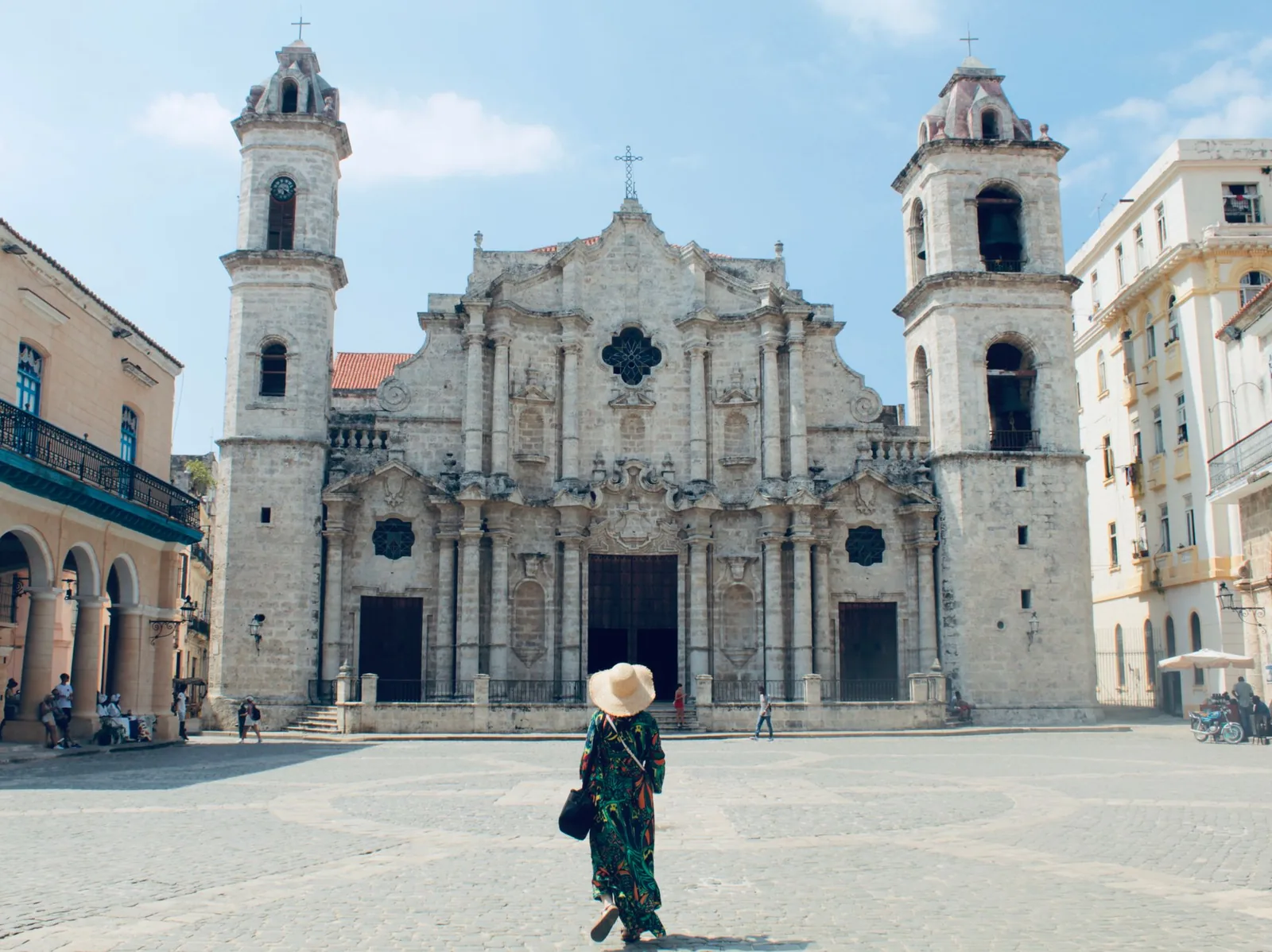
A “jinetero” is a person who approaches you on the street to offer a taxi, a restaurant, a cigar, a room or a walk. Many are simply hustlers who earn a commission; a few are out to cheat you. The Government of Canada warns that there are scammers and fake tourist agents, even at Havana airport, and recommends registered operators and taxis.
- Be wary of anyone who offers to guide you without your asking, as the MAEC advises.
- Do not agree to be taken to a particular bar or restaurant: prices tend to go up to pay for the commission.
- A polite, repeated refusal is almost always enough. Do not argue or explain yourself.
- Book your airport transfer before you leave. You will find the details in the Terminal 3 guide and on our page about taxis in Cuba.
Transport and getting around at night
Canada warns that the old cars used as taxis do not have the usual safety equipment and have no meter: it recommends using only official taxis and agreeing the fare before getting in. The MAEC adds that the energy crisis seriously affects urban and intercity transport and that, before leaving Havana, you should make sure you have transport or fuel for the return.
Given these conditions, a sensible method for a woman on her own is:
- Plan your journeys in daylight, especially long ones and arrivals in a new city.
- At night, go and return in a taxi you have arranged beforehand, ideally through your accommodation, and do not walk alone along poorly lit streets.
- Agree the price before getting in, and confirm the destination by its name, not just the street.
- Share your address and expected times with someone you trust.
- The MAEC advises against picking up hitchhikers and notes that there have been robberies of drivers of vehicles with tourist plates. If you rent a car, read the insurance coverage carefully.
Blackouts, darkness and money: what changes safety in 2026
The MAEC reports prolonged power and water cuts, sometimes lasting more than 24 hours. Canada speaks of long, unpredictable blackouts every day. In practice, many streets are left in the dark and it is harder to find your way or see who is nearby.
- Get back to your accommodation before nightfall and carry a flashlight or a charged phone light, plus a power bank. There are ideas in what to pack.
- If the place where you stay has a generator, the night is much calmer: see casas particulares with generators.
- Visa and Mastercard do not work in Cuba since June 6, 2026, so you depend on cash. Canada points out that carrying a lot of cash increases the risk of theft. Spread your money across several places and leave most of it at your accommodation. For how much to bring, see how much cash to bring to Cuba.
- Do not show your phone or camera on the street and do not leave belongings unattended on the beach.
Health: mosquitoes, medicines and insurance
The MAEC warns of simultaneous outbreaks of dengue, chikungunya, Oropouche and Zika, transmitted by mosquitoes, and recommends consulting an international vaccination center before traveling. It also notes shortages of medicines, so it advises bringing a basic first-aid kit, and recommends drinking bottled water. Canada reminds travelers that there is no vaccine or preventive medication for dengue and that there is a vaccine against chikungunya.
- Use repellent and clothing that covers you, especially at dawn and dusk.
- Bring your usual medicines with the prescription, and any personal hygiene products you use, because the MAEC notes shortages of medicines.
- Travel insurance with health coverage is an entry requirement according to the MAEC and must cover medical emergencies, evacuation and repatriation.
- Ask your health center or travel medicine clinic for personalized advice: there is no single rule.
How to ask for help: emergencies and consulates
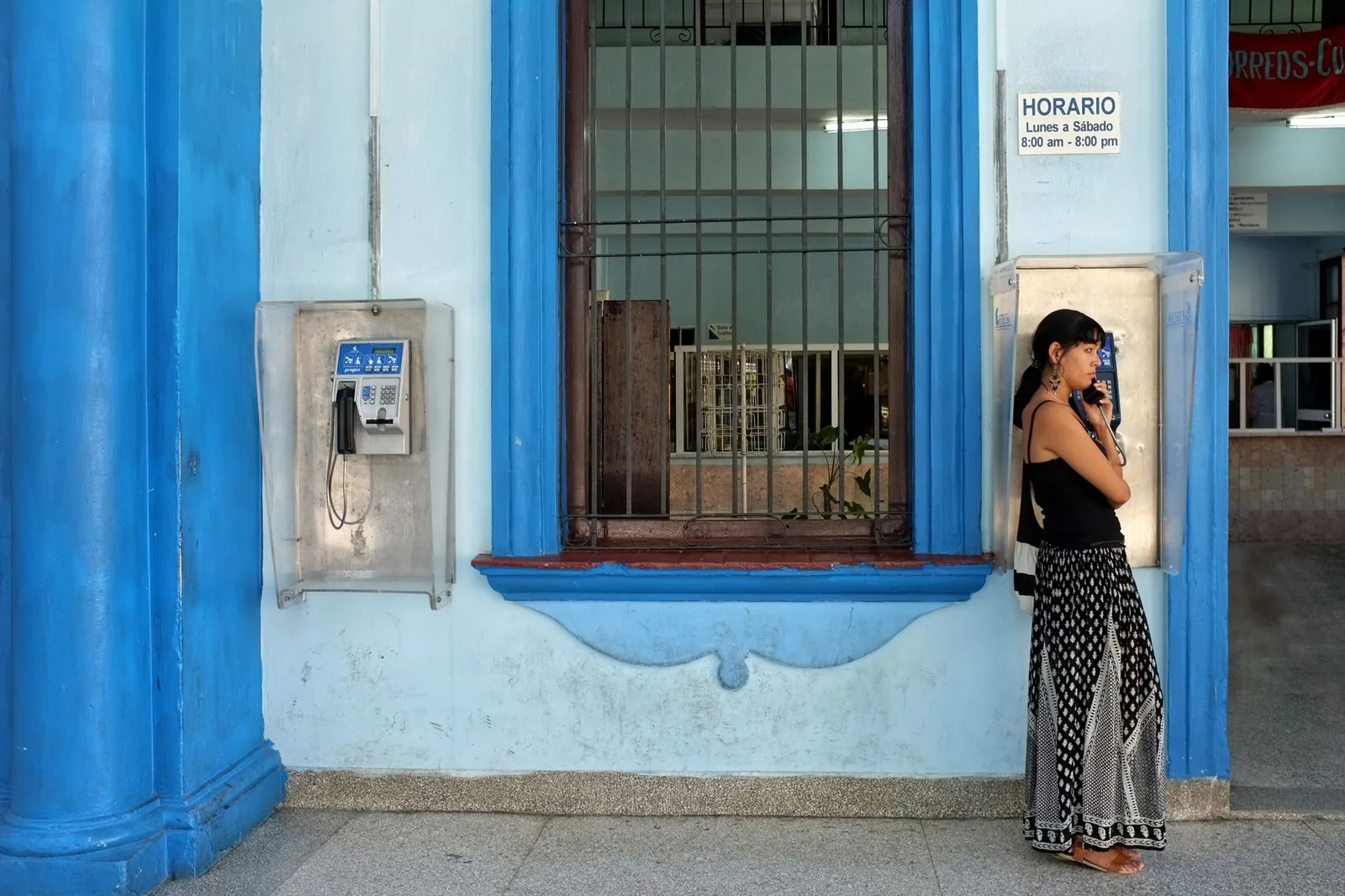
These are the numbers published by the two official sources. Save them on your phone and write them down on paper:
- National Revolutionary Police: 106.
- Ambulance / medical assistance: 104.
- Fire department: 105.
- Consulate of Spain in Havana, consular emergencies: +53 528 691 22 (according to the MAEC).
- Embassy of Canada in Havana (Calle 30, No. 518, corner of 7th, Miramar): +53 7 204 2516. Outside office hours, Canada refers callers to the Emergency Watch and Response Centre in Ottawa.
If you suffer a theft or an assault, get to safety first. Then report it to the Cuban police and ask for the report receipt, which Canada recommends keeping, and notify your consulate or embassy. Before traveling, Spanish travelers can sign up with the MAEC travelers’ registry, which is separate from the Cuban D’Viajeros form.
Why a casa particular with a host helps
Staying in a casa particular (a private home licensed to host guests) does not make the trip safe, but it gives you something a large hotel sometimes does not: a local person who knows which street is quiet, which taxi can be trusted, how the water or electricity is today and what time it is wise to come back. The host can also call a taxi they know and warn you if there is a problem in the area.
- Ask about the area and about the route back to the house at night, and whether the house has a key of your own for you.
- Ask about the generator and the water before booking.
- Tell your host where you are going and when you plan to return.
If you are traveling alone, ask us and we will check with the host: they can tell us which area and what kind of house suits you according to your dates. We cannot guarantee that no incident will happen, but we can help you choose with good information.
Frequently asked questions
Is it safe to travel alone to Cuba in 2026?
There is no absolute answer. Spain recommends caution because of thefts and blackouts, and Canada advises avoiding non-essential travel. Many women do it, with more planning than for other destinations.
What do I do if I am harassed on the street?
Keep walking without replying and, if they insist, say a firm “no, gracias” in Spanish. Go into a shop or an accommodation where there are people. If you feel in danger, call 106.
Can I go out alone at night?
Canada advises against it. If you go out, stick to busy areas and come back in a taxi arranged beforehand. With blackouts many streets are left without light.
What number do I call in an emergency in Cuba?
Police, 106; ambulance, 104; fire department, 105. Spanish travelers also have the emergency consular number +53 528 691 22.
Do I need travel insurance to go to Cuba?
Yes. According to the MAEC, insurance with health coverage is an entry requirement and must cover medical emergencies, evacuation and repatriation.
Is a casa particular or a hotel better if I travel alone?
It depends on the house and the area. A local host offers information and practical help, but it is wise to check the license, location and conditions before booking.
Travel informed, not afraid
Traveling alone to Cuba takes more preparation in 2026: read the official advisories, carry cash well spread out, get around by day, keep the phone numbers at hand and count on someone local. If you would like to talk about your trip, ask us and we will check with the host.
