




Car Insurance in Cuba: What It Covers and Crash Steps
Almost nobody reads the rental contract until the car has a dent. In Cuba it pays to read it first, because car insurance in Cuba does not work like it does in Europe or North America: the state rental company sells it, it is mandatory, your credit card’s coverage does not replace it and, if the accident is your fault, the coverage may stop applying.
Also, an accident with injuries is not handled like a simple friendly report. According to Canada’s travel advisory, it is treated as a criminal matter and the driver can be held, unable to leave the country, while the investigation lasts.
This guide explains what the mandatory insurance of the state rental companies covers and excludes, how the deposit works now that Visa and Mastercard have stopped operating in Cuba, and what to do step by step if there is an accident. Data reviewed on November 8, 2026. Where sources disagree or carry no date, we tell you and point out what to ask for in writing.
We do not repeat here how to book or the rules of the road: for that, see our guides on renting a car from abroad and driving in Cuba.
Who rents cars in Cuba in 2026 and who provides the insurance
You always buy the insurance from the rental company, which is a state-owned business. The brands you will see belong to two groups:
- Transtur, which brings together Cubacar, Havanautos and Rex.
- Vía Rent a Car, part of the Transgaviota group.
We have found no official 2026 statement withdrawing any of these brands, but no official source confirming their current fleet either. So availability should be confirmed when you book, not taken for granted. What you can do is ask, before you travel, for the insurance to be written into the contract or the voucher.

What the mandatory insurance covers: the CDW (collision damage waiver)
In Cuba, rental insurance is a CDW / collision damage waiver (locally called “relevo de responsabilidad”). It is mandatory for foreign drivers and is paid when the contract is opened. According to the conditions published by agencies that resell Cubacar, it covers:
- Damage to the vehicle, fire, and total or partial theft.
- Collision, rollover and accidents.
- Natural disasters.
- Damage to third-party property and injuries to third parties while driving on public roads.
The coverage lasts as long as the contract does, and in the event of an accident it extends to 12 hours after the agreed return time. Those conditions are for one specific category (motorbikes) and carry no date, so they help you understand the scheme but are not the contract text for your car.
The daily price
The figures going around range from 10 to 40 dollars a day depending on the source, the category and the year, and none is dated in a way that lets us treat it as current. So we do not give a price. It is calculated by rental days and by category, and what you should do is ask the agency for the exact daily amount, in writing, before paying anything.
What it excludes and when the coverage falls away
This is the point that surprises people most. The CDW is not a fully comprehensive policy. The exclusions and conditions that come up most often:
- Tires and audio equipment: theft or breakage are not covered.
- Medical care: the CDW includes no health coverage. You need your own travel insurance with medical assistance and repatriation, as the Spanish Ministry of Foreign Affairs also recommends.
- A driver not listed in the contract: if someone else drives, the coverage lapses.
- Customer fault: if the police report or the Transtur inspectors find you responsible, the coverage does not apply and you pay the rental company up to the deductible set in the contract.
Canada sums it up like this: if the accident is your fault, the agency can cancel the coverage and charge you the cost of the repair, and the authorities can prevent you from leaving the country until the rental company is paid or all claims are settled.
The amount of the deductible is not published by any reliable, dated source. It is the figure most worth reading in your contract, before you sign.
Is my credit card’s or annual policy’s coverage valid?
Do not count on it. The travel guides we consulted agree that you should buy the local insurance, and that the rental coverage from your card or from an annual policy in your home country probably is not valid in Cuba. If your insurer says otherwise, ask for it in writing and carry a printed copy, but assume the counter will charge the CDW anyway.
The security deposit and how to pay it without Visa or Mastercard
On top of the insurance, you leave a security deposit that is returned when you hand the car back if there are no additional charges. The figures cited in 2026 guides are around 150 to 250 dollars depending on the category, but they come from a single source, from before the payment change, so we do not present them as current. Ask for the amount for your specific category.
What is confirmed is that the Central Bank of Cuba announced on June 3, 2026 that Visa and Mastercard would stop operating throughout Cuba from June 6, after a foreign bank cut its relationship with the Cuban financial company that processed them. According to that information, cash in foreign currency, the Cuban prepaid cards Clásica and Tropical, and the international UnionPay and Mir cards keep working. We have not seen the suspension reversed, although no source we could open confirms it as of today.
In practice, this means the usual system (blocking the deposit on the customer’s card) is no longer reliable. What is usual now is the following:
- Ask by email in what form the specific office where you will pick up the car requires the deposit: cash in foreign currency or a card from a Cuban bank.
- If it is cash, bring bills in good condition and ask for a receipt showing the amount and the date.
- When you return the car, insist that the return receipt states there are no pending charges, as Canada recommends.
To work out which currency to bring and how to split it between the deposit, fuel and the rest of the trip, see our guide on what currency to bring to Cuba. Fuel has its own guide at gas prices in Cuba.
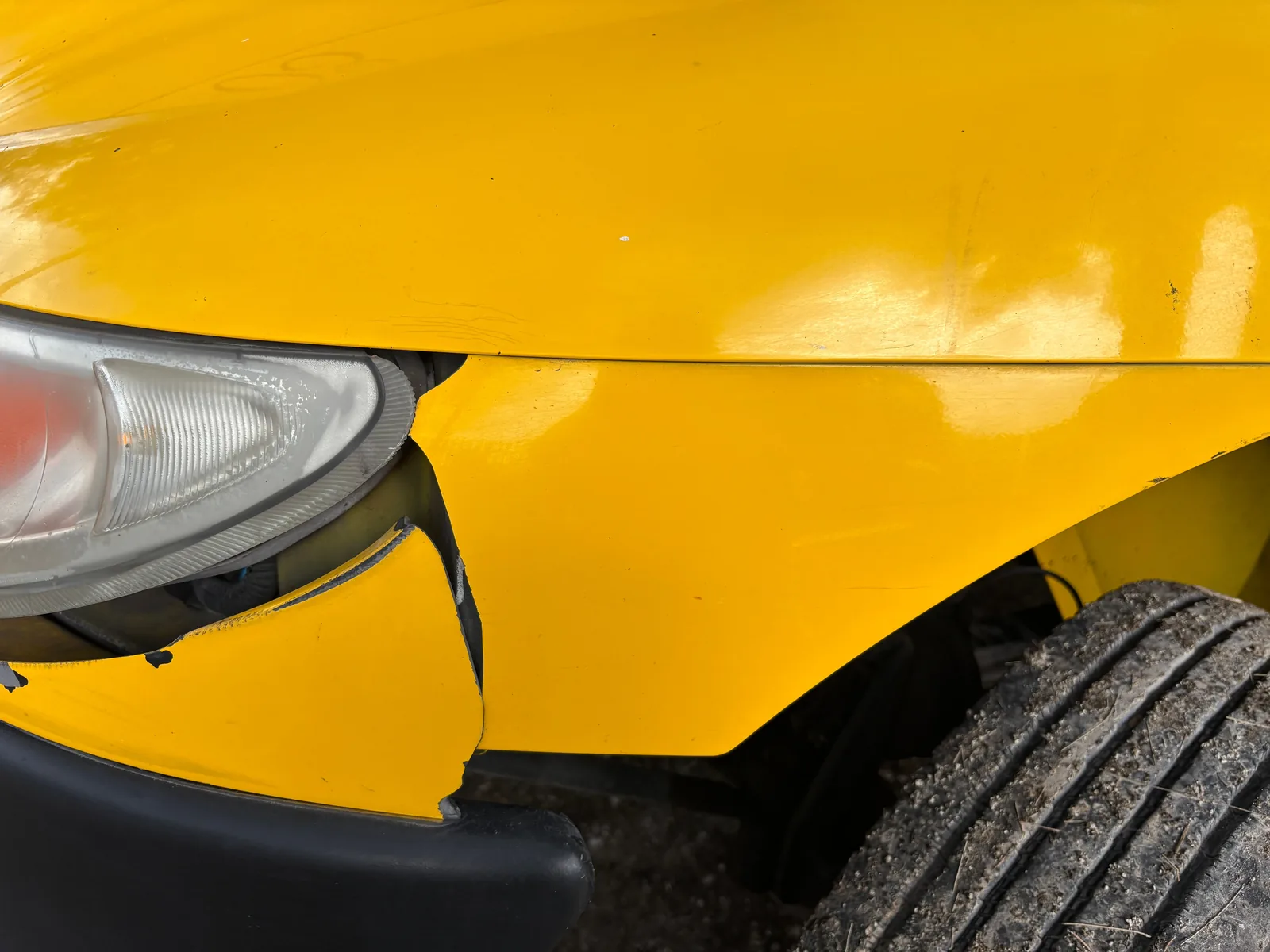
What to do if there is an accident, step by step
The golden rule is not to improvise. The official sources and the rental companies’ conditions agree on the essentials:
- Do not leave the scene and do not move the vehicle. Canada and the rental company’s guides say so.
- Call the police. Their report is the document that decides who is at fault.
- Notify the rental company or the office closest to the scene, immediately. Transtur inspectors may also draw up a report.
- If there are injuries, notify your consulate and your travel insurer.
- Photograph everything: the position of the cars, the damage, the license plates and the place.
- Ask for a copy of the complaint and the record. Filing the complaint and getting a copy is free, although according to Spain some police stations make it difficult: insist politely.
- Hand the report in at the rental company’s office before closing the contract, and keep your copy of the contract for any claim.
Do not sign documents you do not understand and do not pay for “repairs” on the spot without talking to the rental company first. And remember an uncomfortable fact: Canada warns that most Cuban drivers have no insurance, so do not count on the other driver compensating you.
Legal consequences for the driver in Cuba
Here the difference from other countries is big. An accident without injuries is usually settled with the police report and the insurance. With injuries or deaths, things change:
- According to Canada, an accident with injuries or death is treated as a crime and it is the driver who must prove their innocence.
- You can be detained for the whole investigation and unable to leave the country in that time.
- If you are found responsible for a serious accident, the sentence can reach ten years in prison.
- Foreign nationality gives no immunity or preferential treatment.
Spain agrees on the essentials: foreigners under police or judicial investigation, including for traffic offenses, can be held until their possible involvement is clarified. A Spanish driver’s license is valid in Cuba for 6 months from entry, according to the same advisory.
All of this is one more reason to drive calmly and weigh whether it is worth it. If you prefer not to take the risk, see the comparison of rental car or private taxi between cities. If a transfer suits you better, you can also ask us about taxis in Cuba.
How to reduce the risk before leaving the office
- Inspect the car with the employee and photograph everything with a date: bodywork, wheels, spare tire, jack and windows.
- Check that all drivers are in the contract.
- Read what the CDW covers, the deductible and the accident procedure, before signing.
- Save the phone number of the office and of the rental company’s assistance contact.
- Do not drive at night or on unpaved tracks, where damage is usually outside coverage.
Frequently asked questions
Is rental car insurance mandatory in Cuba?
Yes. It is mandatory for the foreign driver, the rental company sells it and it is paid when the contract is opened. Insurance from your home country or your card does not replace it.
What does the CDW cover?
Damage to the vehicle, theft, collision, accidents and damage to third parties, up to 12 hours after the agreed return time. It excludes tires, audio equipment and medical care.
How much do the insurance and the deposit cost?
It depends on the category and changes, and there is no dated figure we can confirm. Ask the agency for the daily amount and the deposit amount in writing before paying.
How do I pay the deposit if Visa and Mastercard do not work?
They have not worked since June 6, 2026. According to that information, cash in foreign currency, Clásica and Tropical, UnionPay and Mir keep working. Confirm with the specific office which one it accepts.
What do I do if I have an accident with a rental car?
Do not leave or move the car, call the police, notify the rental company, ask for a copy of the report and photograph everything. If there are injuries, also notify your consulate.
Can I leave Cuba after an accident?
With injuries, probably not while the investigation lasts. Without injuries, the authorities can prevent your departure until the rental company is paid or the claims are settled.
What happens if the accident is my fault?
The coverage does not apply and you must pay the rental company up to the contract deductible. If there are injuries, you may also face criminal proceedings.
Before signing, ask
The best car insurance in Cuba is the one you have read in full before signing: what it covers, the deductible, how the deposit is paid and whom to call if something happens. If you want the rest of the trip sorted, ask us about lodging in a casa particular in Havana (a private home licensed to host travelers) and we will check with the host, and if you prefer not to drive, we will guide you on the transfer.
