



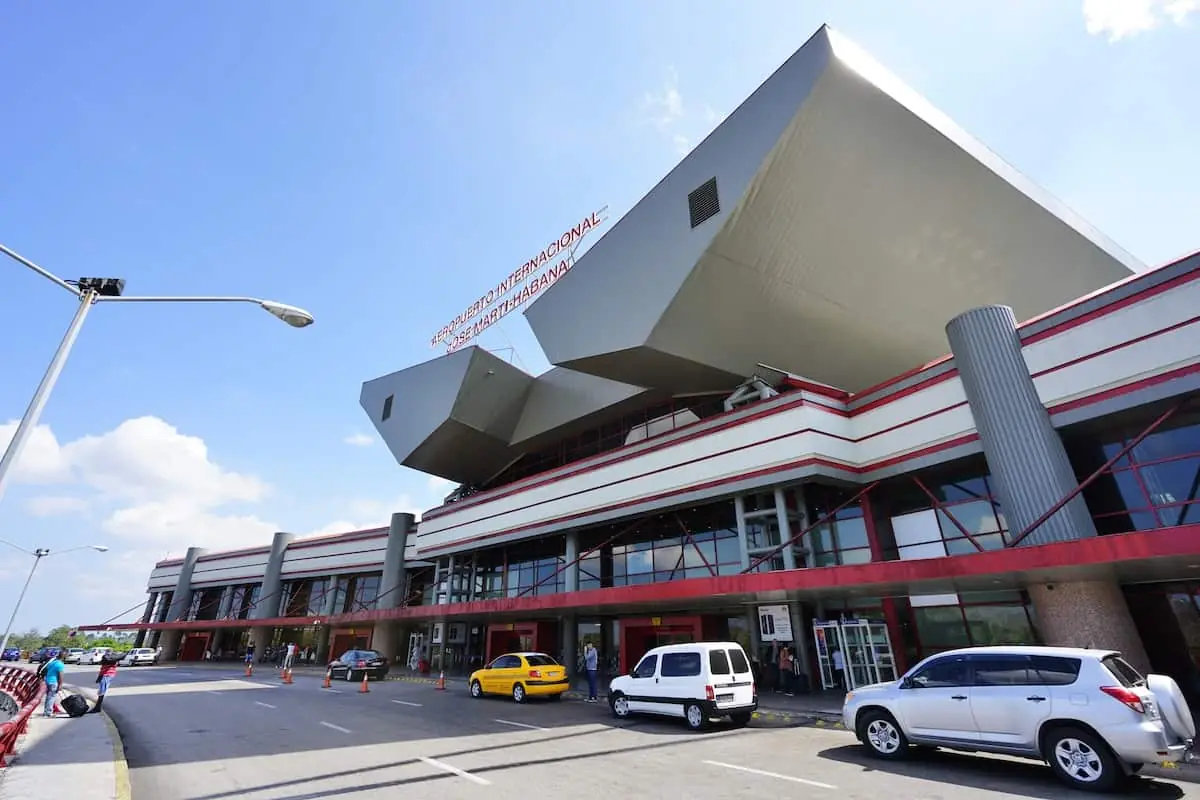
Havana Airport Terminal 3: Complete Arrival Guide 2026
Landing at Terminal 3 of Havana Airport is your first real contact with Cuba, and it is also when you make the most decisions with the least information: where to exchange money, what transport to take, whether it makes sense to buy a SIM card before leaving the building.
Terminal 3 of José Martí International Airport concentrates virtually all the international flights arriving in the capital. It is modern compared to the other terminals, but operates by its own rules: cash rules, exchange rates vary from one window to the street, and taxis have no meter.
In this guide updated to 2026 we explain, step by step, what to do when you land at Terminal 3: entry procedures, how the airport currency exchanges work, what transport options you have to Havana and which mistakes cost travelers the most when they arrive for the first time.
We have written it from the experience of receiving travelers each week who book accommodation with us and tell us what they found when they walked through the arrivals door. Our goal is that you reach your casa particular without surprises, without paying extra, and knowing exactly what to expect.
What Terminal 3 of Havana Airport is Like
The José Martí International Airport (code HAV) is located in the Boyeros municipality, about 15 kilometers south of downtown Havana. It has several operating terminals, and it is important not to confuse them:
- Terminal 1: domestic flights (Cubana de Aviación to Holguin, Santiago, Camagüey, etc.).
- Terminal 2: historically charter flights from the United States; its use has varied over the years.
- Terminal 3: the main international terminal. This is where flights from Europe, Canada, Latin America and most regular airlines land.
- Terminal 5: general aviation and private flights.
If you fly from Madrid, Paris, Rome, Toronto, Mexico City, Panama or Bogota, your arrival will almost certainly be at Terminal 3. Remember this for your return as well: those who arrive at T3 rarely leave from another terminal, but a domestic flight to Varadero or Holguin may depart from T1, and the terminals are not connected on foot.
Services You’ll Find Inside T3
Terminal 3 is functional, not a shopping center. Inside the arrivals area and in the public hall you can count on:
- Currency exchanges (CADECA) and bank windows.
- ETECSA office for SIM cards and top-ups.
- Cafeterias and shops with irregular hours.
- Car rental counters and transfer agencies.
- Restrooms and baggage carts (carts can be in short supply during peak hours).
What you should not expect: reliable free wifi, dependable ATMs or a spacious air-conditioned waiting area. Plan with that in mind and arrival becomes much simpler.
What to Do When You Land at Terminal 3, Step by Step
The journey from the plane door to the street usually takes between 40 minutes and two hours, depending on how many flights have landed at once. This is the actual order of the procedures.
1. Immigration Control
You will be asked for your passport and, if applicable, the eVisa. Before your trip you must have completed the online D’Viajeros form, which generates a QR code: have it downloaded on your phone or printed, because coverage inside the terminal is irregular and you do not want to depend on an internet connection to open it.
Cuba also requires travel medical insurance with coverage in the country. They may request proof at the moment, so keep your policy document at hand.
2. Baggage Collection and Customs
Baggage belts can take time. If you are traveling with large suitcases or household appliances (very common among relatives of Cubans) check the current customs regulations in advance, because value and item limits change fairly frequently and inspection at T3 is real, not symbolic.
3. Exchange Some Money
Here a simple rule makes sense: exchange at the airport only what you need for the first day. We explain why below.
4. Buy a SIM Card (Optional but Recommended)
The ETECSA office, the state operator, sells tourist SIM cards with data packages. Buying it at the airport saves the queue at city offices, which can be long. You will need your passport and an unlocked phone.
5. Exit to the Transport Area
When you cross the arrivals door you will find taxi drivers offering rides. It is not a hostile zone, but it is the point where the worst prices of your trip are closed. With the information from the next section, you arrive prepared.
Currency Exchanges at Havana Airport: How They Actually Work
This is the issue that raises the most questions, and for good reason: in Cuba there coexist an official exchange rate and an informal currency market with very different rates. Understanding the difference is, literally, money.
What is CADECA and What to Expect from Its Windows
CADECA is the state currency exchange network. Inside Terminal 3 there are windows where you can exchange euros, Canadian dollars, pounds or other currencies for Cuban pesos (CUP) at the official rate.
Key points to keep clear:
- The official rate is significantly less favorable than the informal market rate. Exchanging your entire trip budget at the airport window is the fastest way to lose purchasing power.
- The windows are not always open or have enough cash, especially at night or after several flights in a row.
- There can be long lines just when you are most tired.
What About the Informal Market?
Most travelers end up exchanging part of their money outside the state system, with private individuals, at a much better rate. It is a widespread practice, but it is important to be honest about what it entails: it is not regulated, has no receipt and depends completely on who you deal with. Never exchange large amounts with a stranger outside the airport, and be wary of anyone in a hurry.
The prudent recommendation, and the one we give to our guests, is to exchange at the airport only what you need for the transfer and the first few hours, and settle the rest once in the city, at your leisure and through someone you trust. Often the host of your casa particular can point you in the right direction.
Cards, ATMs and Cash
This is the biggest change of 2026, and it is worth reading twice:
- Visa and Mastercard have not worked in Cuba since 3 June 2026. Fincimex, the entity that processed those transactions, suspended them after the foreign bank handling them ended the relationship. This is not a US-card problem: it affects any Visa or Mastercard, whichever bank issued it.
- The only authorised international networks are UnionPay and Mir, and acceptance on the ground is limited. Do not rely on them as your only means of payment.
- ATMs are not an alternative: if your card belongs to a suspended network, you will not withdraw cash with it either.
- Cuba is a cash destination today. Bring the money for your trip with you, in bills in good condition. The euro is usually the most convenient currency to exchange.
This situation comes from a recent decision and may change again. Before flying, confirm the status of card payments with your bank and your airline.
If you want to dive deeper into this decision before buying your tickets, we have a specific guide on what currency to bring to Cuba with a comparison between euros and dollars.
Transport from Havana Airport to Downtown
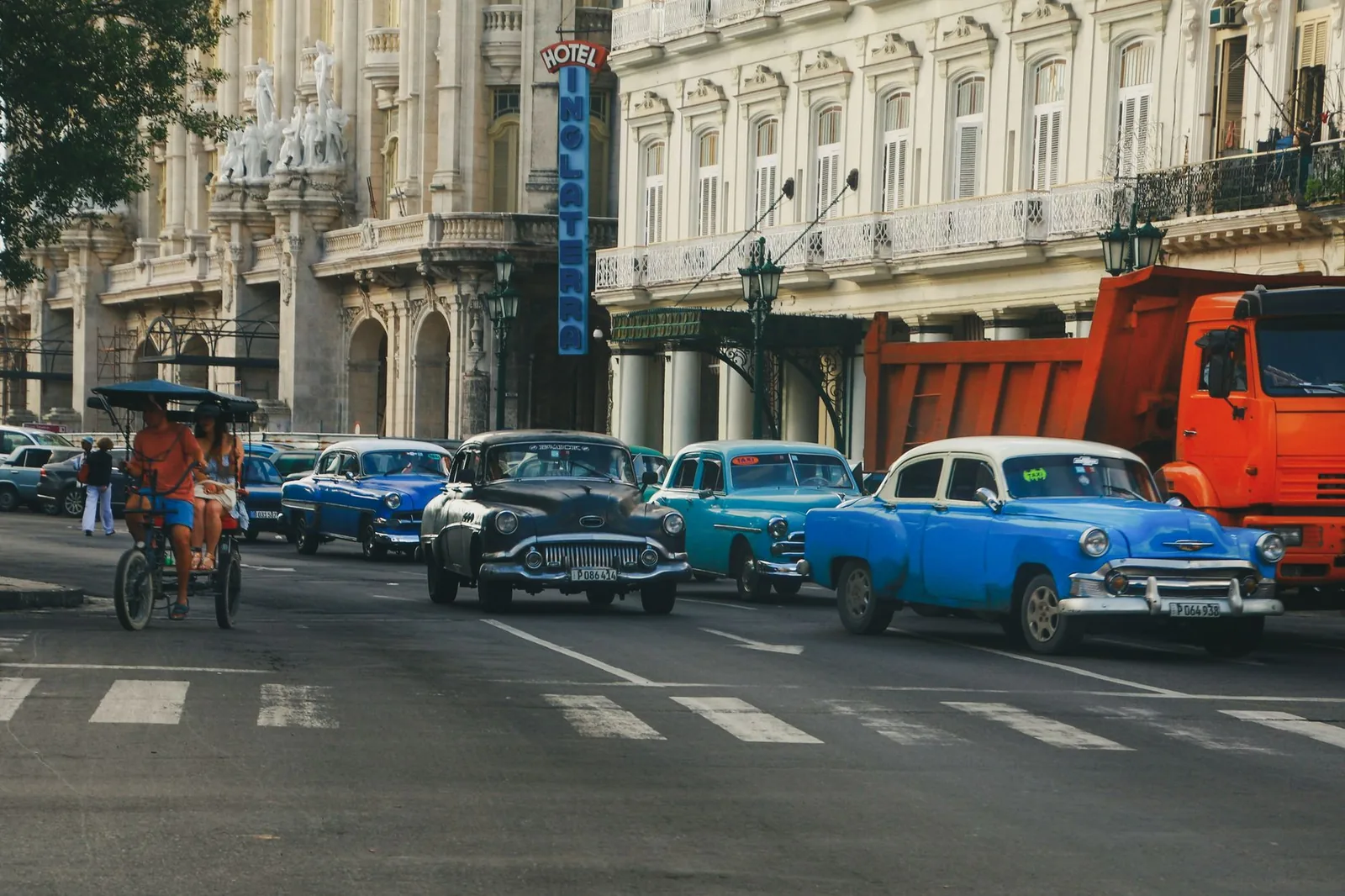
From Terminal 3 to Old Havana, Central Havana or Vedado there are between 20 and 40 minutes by car, depending on traffic and exact destination. These are your real options.
Official Taxi at the Terminal
State and authorized private taxis wait right outside. There is no meter: the price is agreed before you get in. Ask for the fare, confirm the currency and make sure it includes baggage and the specific destination, not “downtown” in the abstract.
Fares to Havana are usually quoted in foreign currency and vary over time, so be skeptical of any “fixed” figure you read in an old forum. Compare the price with two or three drivers if you don’t have a pre-booked transfer.
Private Transfer Booked in Advance
It is the most relaxing option, and the one we recommend if you arrive at night, travel with children, have lots of baggage or it is your first time in Cuba. The driver waits for you by name, the price is agreed beforehand and you don’t negotiate anything with a suitcase in each hand after ten hours of flying.
At EnCuba.net we organize transfers from Terminal 3 to your accommodation, and also long-distance trips. You can see routes and prices in our taxis in Cuba section, or contact us directly about the route you need.
Car Rental
It makes sense if you are going to travel around the island, not to get around Havana, where parking and driving is more of a problem than a solution. The fleet is limited and demand is high, so it is wise to book weeks in advance. You can review car rental options in Havana.
Public Transport
It exists, it is very affordable and is, honestly, not practical for a newcomer with baggage. With suitcases, uncertain schedules and no mobile data, the savings do not justify it. Save it for when you are traveling light and know the city.
Quick Comparison
- Pre-booked transfer: maximum predictability, fixed price, no negotiation. Ideal on a first arrival.
- Taxi at the terminal: immediate availability, negotiated price, variable result.
- Car rental: useful for trips around the island, not for the city. Requires advance booking.
- Public transport: the cheapest, the least recommended with baggage.
Common Mistakes When Arriving at Terminal 3
We see them repeat almost every week:
- Exchange all your money at the airport window. You lose purchasing power from minute one.
- Arrive without the D’Viajeros QR code downloaded. Inside the terminal the connection is not reliable.
- Accept the first taxi price without confirming destination and currency.
- Count on paying by card. Cuba is a cash destination.
- Not have the exact address of your accommodation in writing, with municipality and a local contact phone number.
- Assume there is wifi once you exit. Without a SIM, you are left without communication just when you need to let them know you arrived.
Arrive Directly at Your Accommodation: Casas Particulares in Havana
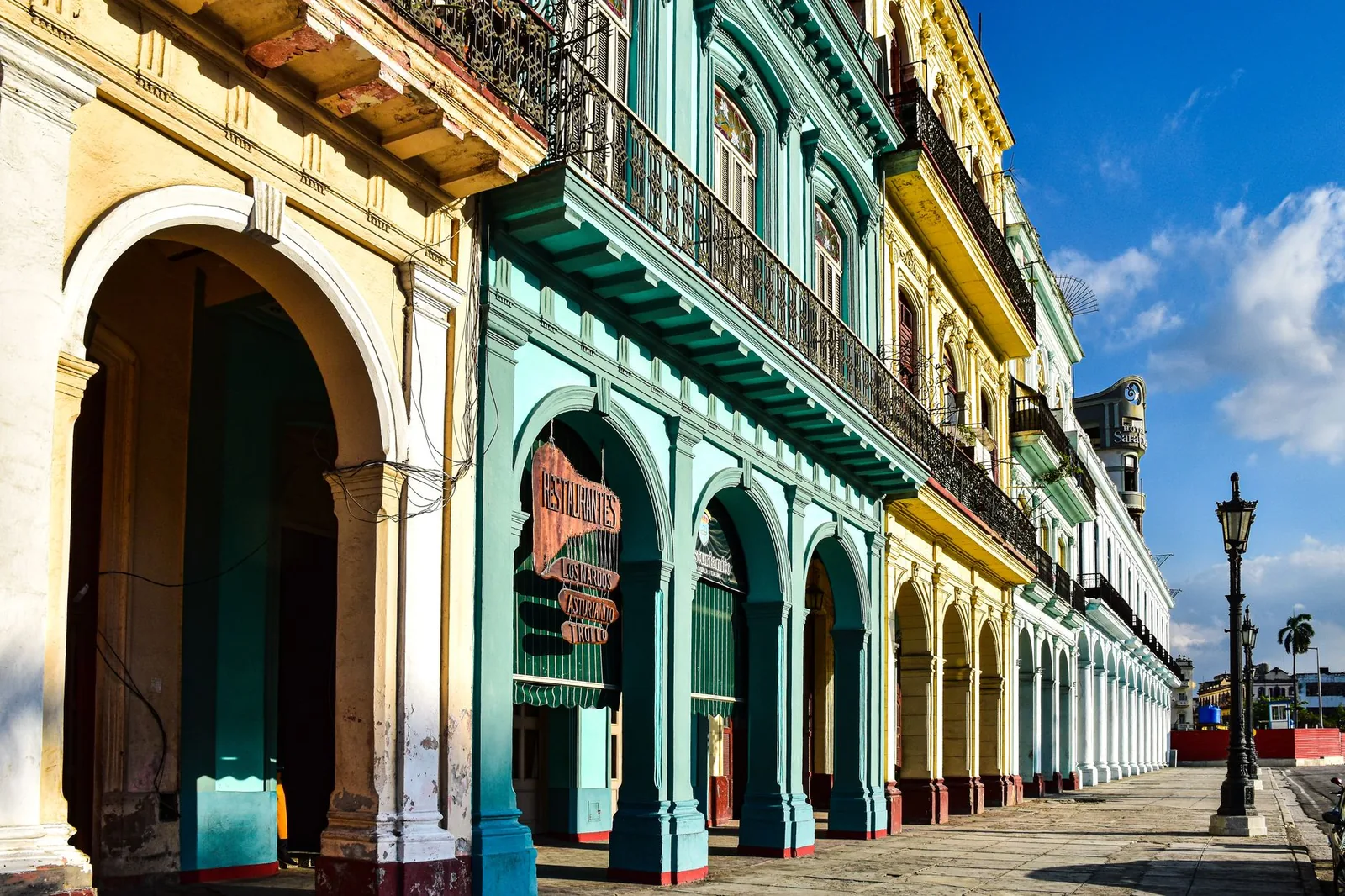
The difference between a stressful arrival and a relaxing arrival is almost never at the airport: it is in having the transfer and accommodation sorted before you land.
At EnCuba.net we work with verified casas particulares and apartments throughout Havana: from Old Havana to Vedado, Miramar and Playas del Este. Our hosts are used to receiving late-night flights, advising on currency exchange and explaining how to get around the neighborhood.
If you don’t yet have a place to stay, you can see all the options on our accommodation in Havana page and write to us with your dates: we confirm availability and, if you need it, coordinate the transfer from Terminal 3 the same day.
Frequently Asked Questions About Terminal 3 of Havana Airport
What Flights Arrive at Terminal 3 in Havana?
Terminal 3 receives most of the regular international flights to José Martí Airport, including those from Europe, Canada and Latin America. Domestic flights operate from Terminal 1.
Are There Currency Exchanges at Terminal 3?
Yes, there are CADECA windows and banking services at the terminal, although their hours and cash availability may vary. Exchange there only what you need for the first few hours and settle the rest in the city.
How Long Does It Take from Havana Airport to Downtown?
Between 20 and 40 minutes by car, depending on traffic and destination neighborhood. The distance is about 15 kilometers.
Can I Pay by Card at Havana Airport?
Not with Visa or Mastercard. Since 3 June 2026 those transactions are suspended throughout Cuba, whichever bank issued the card. Only UnionPay and Mir remain authorised, with limited acceptance. Bring cash.
What Currency Is Best to Bring to Cuba?
The euro is usually the most convenient currency to exchange, with bills in good condition. You can see the full comparison in our guide on what currency to bring to Cuba.
Can I Buy a SIM Card at Terminal 3?
Yes. ETECSA, the state operator, has an office at the terminal and sells tourist SIM cards with data. You need your passport and an unlocked phone.
Is It Safe to Take a Taxi When You Exit the Terminal?
Yes, it is a common practice. The caution is not about safety but about price: agree on the fare, currency and exact destination before you get in, since there is no meter.
Is It Worth Booking the Transfer in Advance?
If you arrive at night, with children, with lots of baggage or it is your first trip to Cuba, yes. You have a fixed price, someone waiting for you by name and zero negotiation on the way out.
Conclusion
Landing at Terminal 3 of Havana Airport is simple when you know what to expect: entry procedures with your D’Viajeros at hand, a measured currency exchange instead of a rushed one, and transport decided before you cross the arrivals door.
Those three decisions (documentation, money and transfer) make the difference between starting your trip exhausted and starting it enjoying yourself. The rest, Cuba provides.
If you want to arrive with everything sorted, write us with your flight dates: we help you choose accommodation in Havana and coordinate the transfer from Terminal 3 so you only have to walk out and look for your name on a sign.
